
Plant Nutrient Interactions
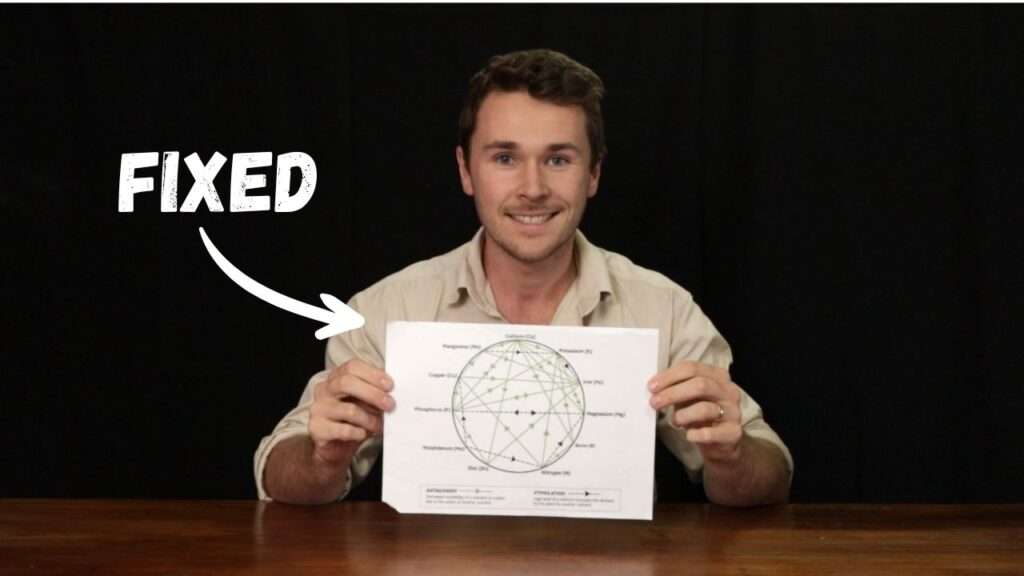
In regenerative agriculture, we often focus on providing the “right” amount of nutrients, but plant health is rarely just about quantity. The true secret to healthy crops lies in understanding nutrient interactions, the complex ways that one mineral can either help or hinder the uptake of another. We find that the most common reason for […]
Biological Build Up And Maintain
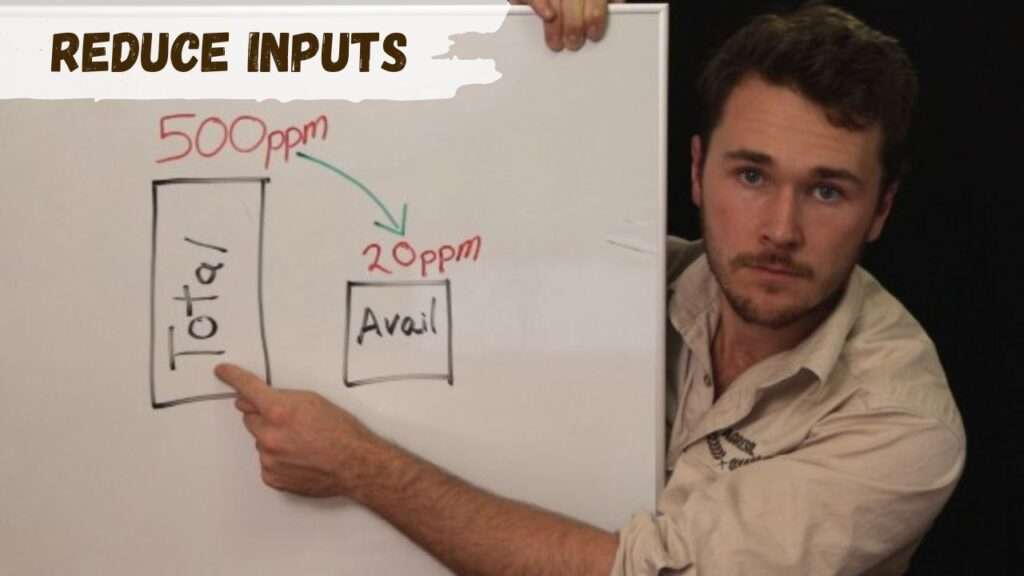
Our strategy for helping farmers transition to regenerative agriculture revolves around a fundamental shift in how we view soil nutrition. Most traditional programs rely purely on what is immediately “available” in the soil, but we use a more comprehensive approach that we called the Biological Build-Up and Maintain Model. The core premise is simple: we […]
Biological Supply Curve
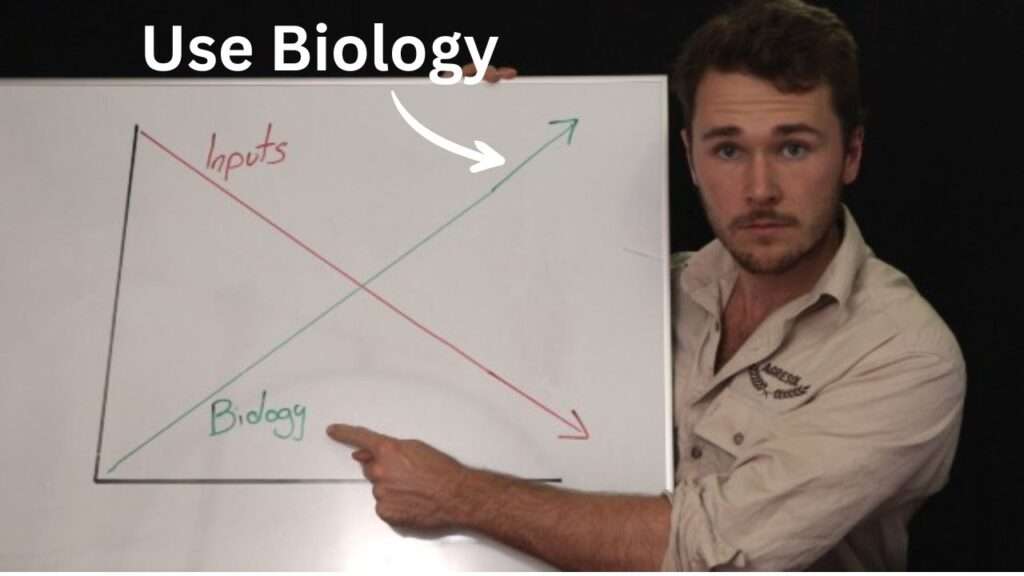
We understand that for a commercial grower, the greatest risk in transitioning to regenerative agriculture is the potential for a “yield dip”. Many farmers hear success stories of others cutting inputs entirely and try to follow suit, only to see their production plummet because the underlying soil system wasn’t ready to support the crop. The […]
Regenerative Nutrition
In regenerative agriculture, our goal is simple but profound: we want to shift from “buying” fertility in a bag to building a biological system that supplies itself. After spending 32 hours researching regenerative nutrition management, I’ve compressed the core principles into a strategic framework for commercial growers who want to maximize profit by optimizing the […]
How To Regenerate Acidic Soils
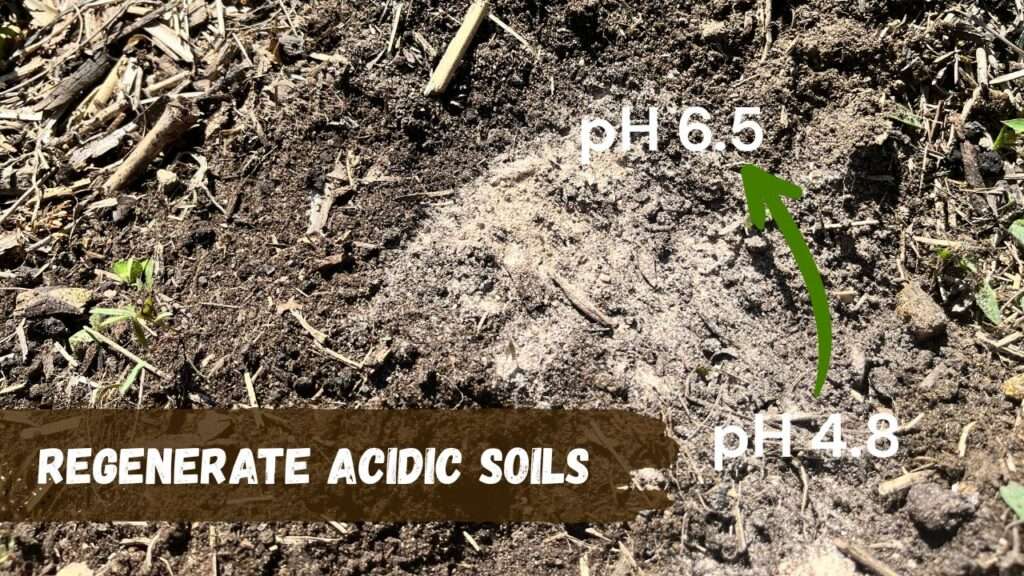
At Agresol, managing soil pH is a top priority for improving plant and soil health. For many farmers, acidity is a silent yield killer, limiting mineral availability and stunting root growth. This guide explores the root causes of soil acidity and the regenerative strategies we use to restore balance. First, watch the video below from […]
Get More Root Exudates
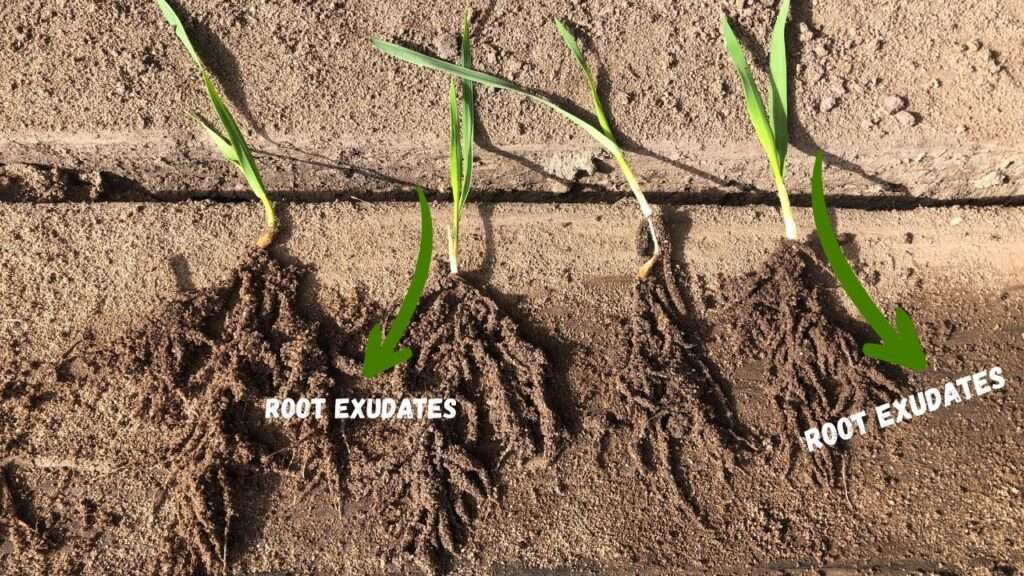
We often focus on what we can see above the surface, leaf color, biomass, and yield. However, the true engine of farm productivity is hidden underground in the complex relationship between a plant and its soil. At Agresol, one of our primary goals when working with new farmers is to quadruple the amount of root […]
Does the Calcium Magnesium Ratio Matter?
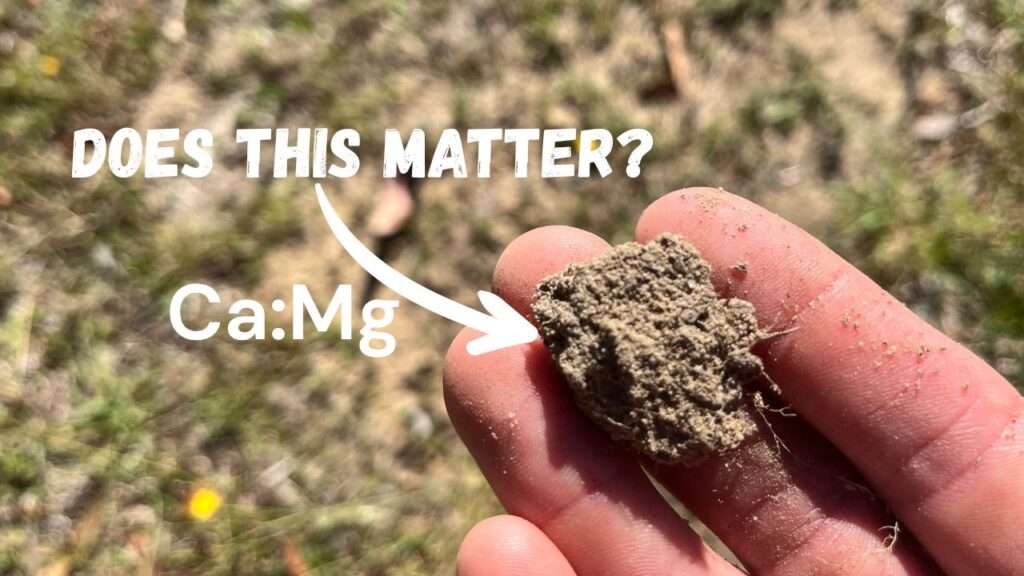
In the world of soil science, the Calcium to Magnesium (Ca:Mg) ratio is one of the most debated topics. At Agresol, we often see how a small application of the right nutrient can trigger a massive response, but when it comes to “balancing” these two minerals, the reality is more about physics than a simple […]
Albrecht’s Soil Balancing Explained
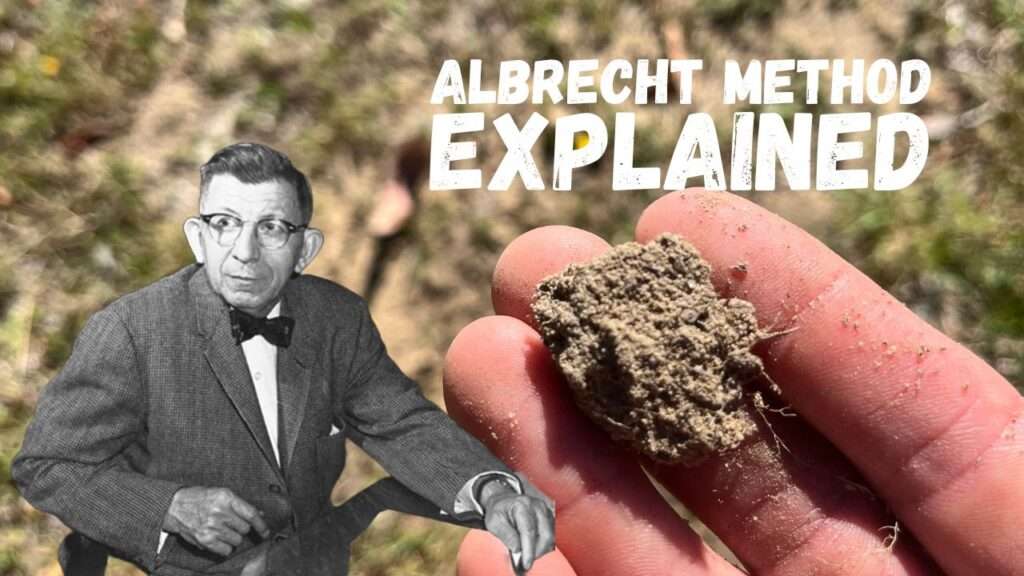
In the world of regenerative agriculture, few topics spark as much debate as Soil Balancing, primarily the approach popularized by William Albrecht (sometimes referred to as the Albrecht method). At Agresol, we believe in understanding the math and science behind these theories while maintaining a practical, results-driven focus on your farm’s bottom line. First, watch […]
25 Regenerative Lessons From 2025

In 2025, we helped 132 farmers better understand their soil and sap tests and worked directly with eight clients to transform their operations. Through this hands-on consulting, we’ve distilled 25 high-impact lessons that can help any grower move toward a more resilient and profitable regenerative system. First, watch the video below from our Youtube channel Agresol (and […]
How to Destroy Your Soil
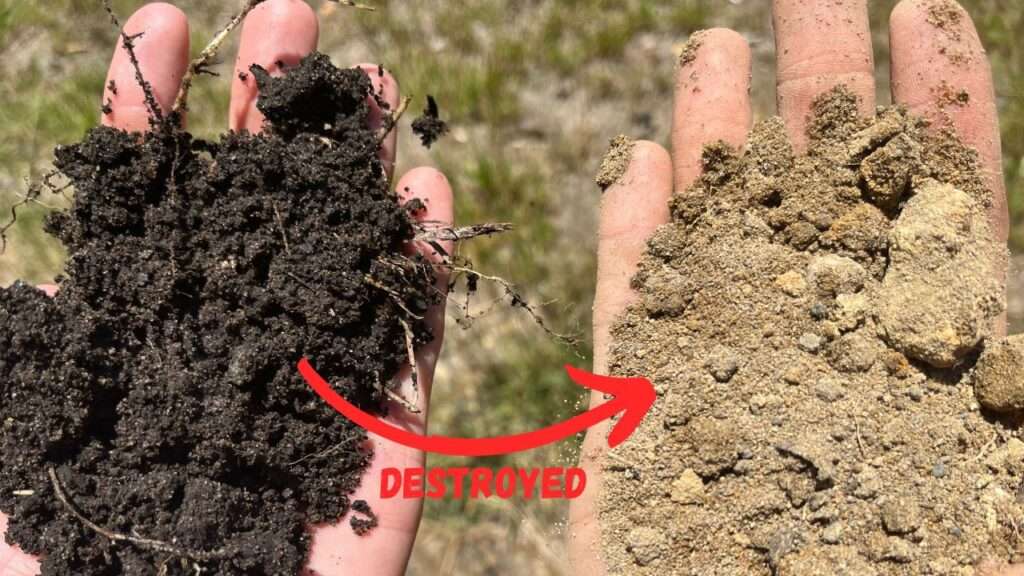
Charlie Munger famously championed the idea of “inversion”, the practice of flipping a problem to find a solution. Rather than asking how to regenerate your soil, let’s ask: How could we destroy it?. By identifying the practices that wreck our land, we can stay as far away from them as possible and, by default, start […]