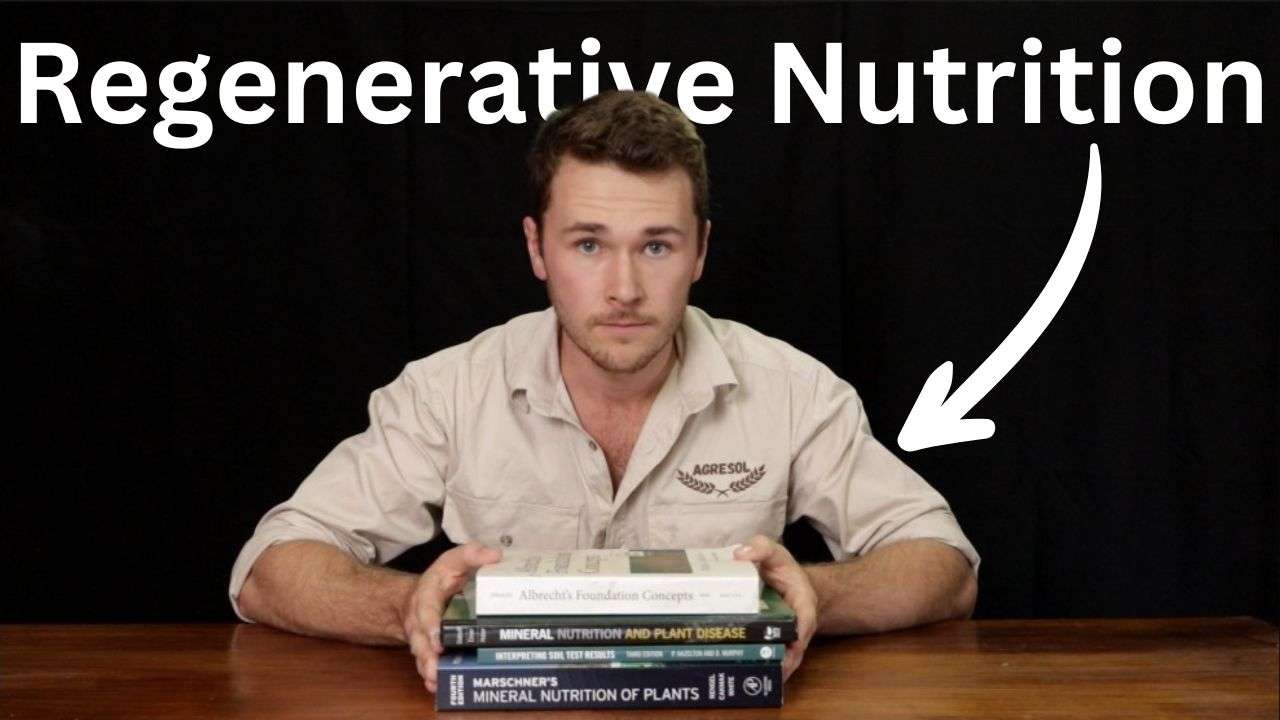
In regenerative agriculture, our goal is simple but profound: we want to shift from “buying” fertility in a bag to building a biological system that supplies itself. After spending 32 hours researching regenerative nutrition management, I’ve compressed the core principles into a strategic framework for commercial growers who want to maximize profit by optimizing the least amount of inputs.
First, watch the video below from our Youtube channel Agresol (and make sure to subscribe!)
1. The Law of the Minimum: All Nutrients Matter
The foundation of our nutrition strategy is the understanding that every nutrient, the major ones we all know and the trace minerals we often ignore, is essential. If your crop is missing even a tiny amount of one specific nutrient at a critical growth stage, you will see a reduction in yield.
We manage by the principle that a deficiency in any nutrient creates a bottleneck. You can have perfect Nitrogen and Phosphorus levels, but if you are deficient in a trace element like Molybdenum, your plant cannot process that Nitrogen into protein. In that scenario, your yield isn’t limited by your fertilizer budget; it’s limited by that one missing link.
2. The Geological Reality: Your Soil’s Total Capacity
A common myth in the regenerative space is that if you have enough biology, you don’t need to add anything. This is false. Biology cannot “manifest” minerals that aren’t physically in your soil’s parent material.
Know Your Totals: We use a “pseudo-total” extract to determine the total capacity of your soil.
Identify Absolute Deficiencies: If a mineral like Potassium or Selenium is missing from your geology, biology can’t supply it.
Capital Allocations: We only make major “capital” applications of minerals that are truly missing from the parent material.
3. The Engine: Root Exudates and Photosynthesis
Once we ensure the total minerals are present, we need microbes to unlock them. The most effective way to stimulate this biology is through root exudates.
The Carbon Pump: A plant can release up to 80% of it’s photosynthates as root exudates.
Maximizing Photosynthesis: To increase the plant’s sugar production we focus on increasing photosynthesis by applying these minerals: Magnesium, Manganese, Iron, Copper, Phosphorus and Nitrogen.
Multiple Species: Increased rates of photosynthesis can also be achieved by increase the number of species grown within a area and across the season.
4. Precision Management: Bridging the Gap
Until your soil biology is fully functional, you must bridge the nutritional gap to protect your yield.
Strategic Fertilizer Use
Carbon Buffering: Always add a carbon source (like humic substances or molasses) to nitrogen and phosphorus applications. This prevents nitrogen from leaching and keeps phosphorus from being “locked up” by the soil.
Efficiency Gains: By adding humics, we can often reduce nitrogen rates because we are drastically reducing the typical 50% losses seen in traditional systems.
In-Season Monitoring
Differential Sap Analysis: We compare young and old leaves to see if the plant is struggling to move nutrients.
Foliar “Kickstarts”: If we see a variation in minerals, a small application can bypass soil antagonisms and provide an immediate yield response.
5. Removing the Barriers to Success
To let this system work, we must remove the physical and chemical limitations that stall biological progress:
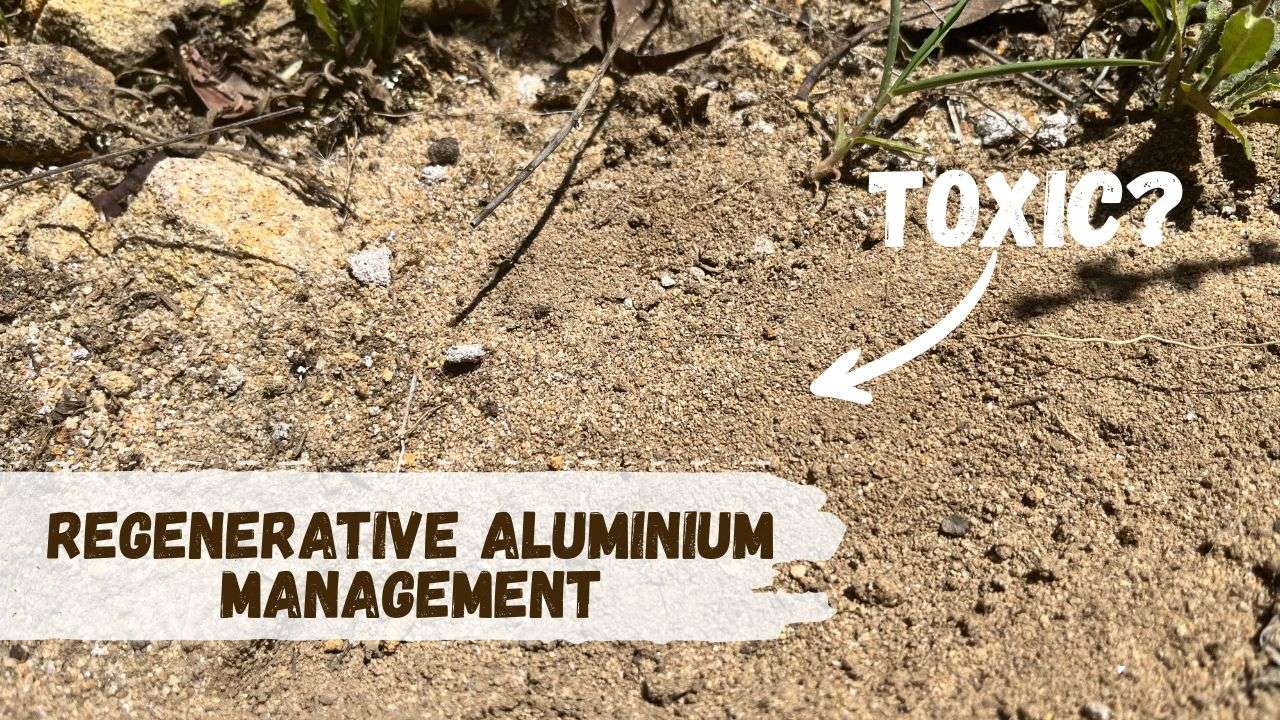
Acidity: If pH is below 5.5, a lime application is economically essential to stop mineral lockup.
Compaction: Deep ripping followed by a cover crop can “reset” a compacted zone, allowing roots and exudates back into the subsoil.
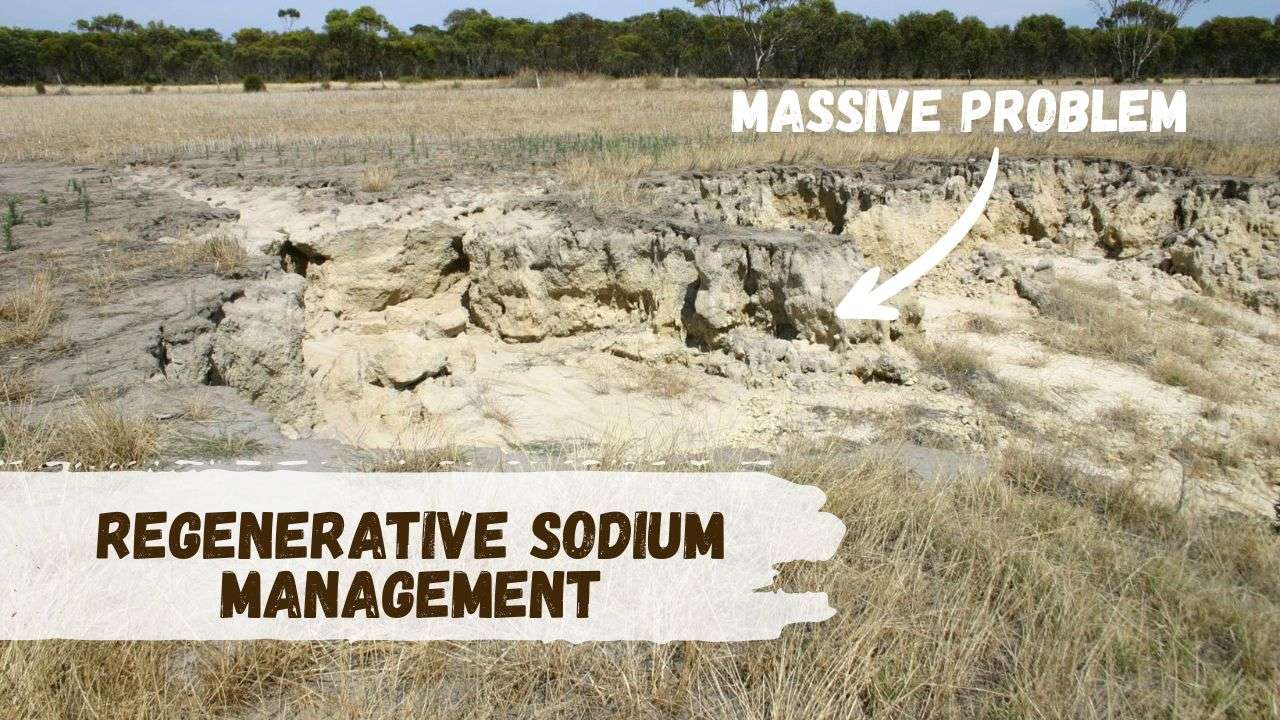
Sodicity/Salinity: We use targeted strategies to alleviate these structural barriers so the soil can breathe and drain.
Summary
Regenerative nutrition isn’t about guesswork; it’s about using total soil tests and sap analysis to make informed decisions. By ensuring no nutrient is a limiting factor and maximizing photosynthesis, we feed the biology that eventually takes over the heavy lifting of feeding your crop.