Charlie Munger famously championed the idea of “inversion”, the practice of flipping a problem to find a solution. Rather than asking how to regenerate your soil, let’s ask: How could we destroy it?. By identifying the practices that wreck our land, we can stay as far away from them as possible and, by default, start the journey toward restoration.
If your goal were to systematically destroy your soil, here are 10 ways you would do it.
First, watch the video below from our Youtube channel Agresol (and make sure to subscribe!)
1. Tillage:
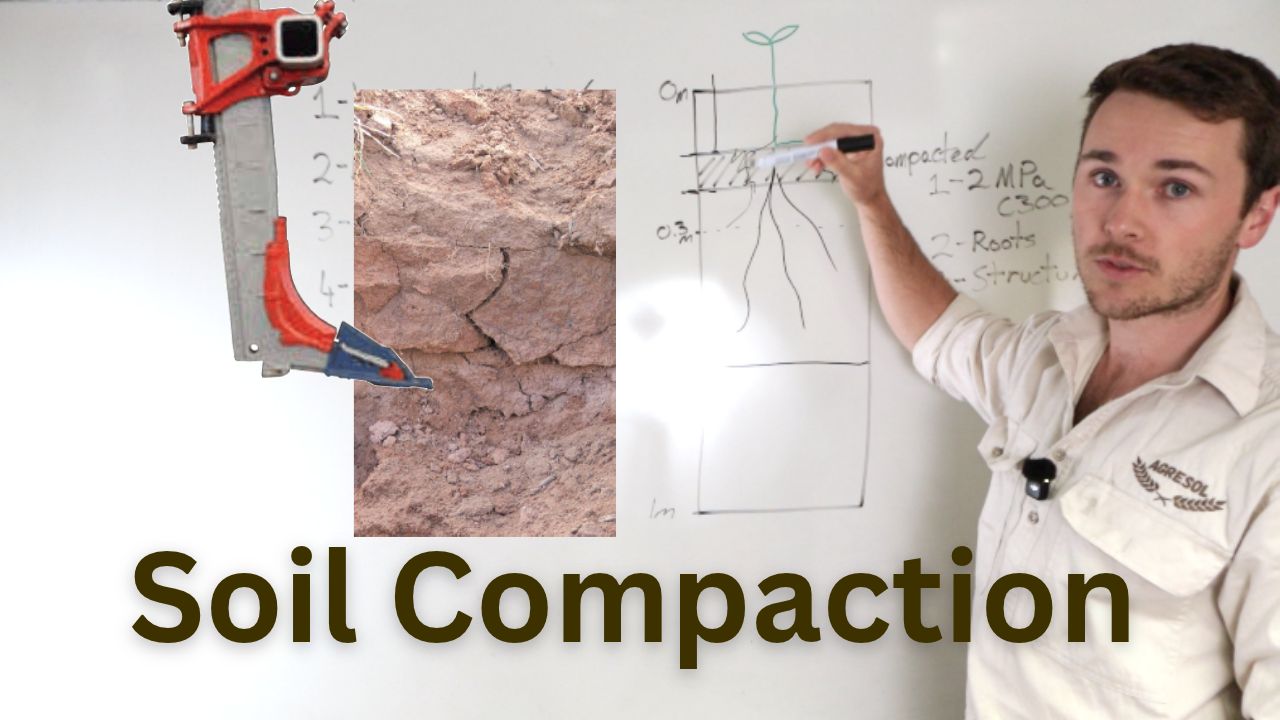
Tillage is incredibly destructive to soil structure. It inverts the earth, wrecks aggregation, and exposes microbes to the elements, leading to a massive reduction in microbial populations.
The Structural Collapse: Destroying structure ruins infiltration rates, making it harder for water to enter the soil.
The Double Blow: While the topsoil becomes a loose, easily compacted bed, tillage also creates a “compaction layer” in the subsoil below the reach of the plough.
2. Leave It Bare
Exposed soil is vulnerable soil.
Erosion and Runoff: Without cover, raindrop action dislodges soil particles, causing surface sealing or washing topsoil away in runoff.
Water Loss: Bare soil increases evaporation rates. You stop capturing water and start losing what you already have.
3. Remove All Product
A great way to mine your soil is to grow as much as possible and remove every bit of it from the paddock. This is common in hay paddocks where high removal rates lead to severe nutrient deficiencies, particularly in potassium. By removing stubble and product, you ensure nothing is recycled back to feed the next crop.
4. Never Replace Nutrients
To truly destroy soil, you should mine its minerals, like calcium, potassium, and phosphorus, without ever putting anything back. Eventually, the available mineral reserves run dry, and the soil can no longer support healthy plant life.
5. Starve the Biology of Carbon
Carbon provides the energy for microbial activity, which drives nutrient cycling and mineral release from parent material. To stop this, avoid adding any carbon-based products like compost, molasses, or humic coatings, and never use green manure crops.
6. Apply Excess Nitrogen Up Front
Heavy, early applications of nitrogen destroy soil in two ways:
Carbon Burn: The soil must balance its carbon-to-nitrogen ratio (roughly 11:1); excess nitrogen “burns up” soil carbon to maintain that balance.
Plant Stress: Applying a full season’s nitrogen at once exceeds the plant’s capacity to handle it, making the crop sick.
Acidification: Using ammonium-based nitrogen products at high rates will acidify your soil rapidly.
7. Use High-Salt Index Fertilizers
Fertilizers with a high salt index, such as potassium chloride, increase soil salinity. This increases osmotic pressure, making it harder for plants to extract water even when the soil is wet, effectively forcing your crop into a man-made drought.
8. Stick to Monocultures
Growing the same crop year after year ensures you never get a break in disease or pest cycles. You extract the same nutrients from the same root zone every single season, starving the soil of the diversity it needs to stimulate biology.
9. Over-Apply Herbicides
Herbicides are effective at killing microbes and can lock up key minerals like manganese. Using them at more than the required rate is a fast way to stall soil health.
10. Remove Livestock
Removing livestock eliminates the benefits of animal impact and nutrient cycling. Without the manuring and cycling provided by animals, microbial activity and soil health stall.
The Inverse: How to Regenerate
Now that we know how to destroy our soil, the path to regeneration is clear: do the opposite.
Move toward No-Till: Protect your soil structure.
Maintain Ground Cover: Use stubble retention to stop erosion and evaporation.
Keep Product on Farm: Sell the grain, but keep the stubble or compost unmarketable products.
Replace Nutrients Strategically: Use total soil tests to balance your minerals based on actual reserves.
Add Carbon: Use soil primers (like molasses or kelp) and cover crops to stimulate microbial activity.
Apply Just Enough Nitrogen: Use split applications and organic nitrogen sources to meet the plant’s needs without burning soil carbon.
Switch to Low-Salt Fertilizers: Use organic sources like chicken manure or buffered products to protect soil and leaf health.
Embrace Diversity: Implement diverse rotations or polyculture crops to explore different soil niches and break disease cycles.
Reduce Herbicides: Use integrated weed management, cover crops, and spot-spraying technology to minimize chemical inputs.
Integrate Livestock: Use animal impact to increase nutrient cycling, break weed cycles, and build business resilience.