Soil bacteria are the unsung heroes of your farm. They are the primary drivers of soil health, plant production, and the overall functioning of your ecosystem. While they are invisible to the naked eye, their impact on your bottom line is massive.
In this guide, we’ll explore what soil bacteria are, the diverse roles they play, how to manage bacterial diseases without heavy chemicals, and, most importantly, how to increase their population to build a more resilient farming system.
What Are Soil Bacteria?
Bacteria are single-celled, microscopic organisms. They are prokaryotic, meaning they have a simpler cell structure compared to more complex life forms like fungi or plants.
Despite their simplicity, they are incredibly powerful due to two key traits:
Diversity: They provide a vast array of functions that allow your soil to tolerate extreme climatic conditions, from droughts to floods.
Rapid Reproduction: Bacteria can reproduce incredibly fast. Under the right conditions, a single generation can turn over in as little as 10 minutes to 24 hours. This allows them to “boom” rapidly in response to food sources like carbon.
Where Do They Live?
Bacteria are everywhere in your soil. While they exist in “bulk soil” throughout the profile, they are most concentrated in the top 10 centimeters, where carbon and food are most abundant, and in the rhizosphere (the zone immediately surrounding plant roots).
When a plant grows, it releases root exudates to “call in” these microbes. This creates a rhizosheath, those “dreadlock” structures of soil clinging to the roots. In this zone, bacterial populations can be 10 to 100 times higher than in the rest of the soil.
The Bacterial Workforce: Different Lifestyles
Bacteria don’t just “exist”; they perform specific jobs. We can categorize them by their “lifestyles” or functions.
1. The Nitrogen Fixers
These bacteria take nitrogen gas from the atmosphere (which plants can’t use because of its strong triple bond) and convert it into ammonium that the plant can digest.
The Economic Value: Active biological nitrogen fixation can produce over 100 kilos of nitrogen per hectare annually. At current urea prices, this is equivalent to roughly $300 worth of free fertilizer every single year.
There are three types of nitrogen fixers:
Free-living: Live independently in the soil.
Associative: Live in the root zone and feed off plant exudates.
Rhizobium: Live in specialized nodules on the roots of legumes.
2. Mineral Solubilizers
Much of the phosphorus and potassium in your soil is “locked up” and unavailable to plants. Mineral solubilizing bacteria release organic acids and enzymes that break these minerals free from the soil particles, making them available for crop uptake.
3. Other Critical Functional Groups
| Group | Function |
| Decomposers | Break down simple carbon compounds and sugars into biomass.
|
| Disease Suppressors | Out-compete pathogens for resources and release natural antibiotics to keep diseases below an economic threshold.
|
| Plant Growth Promoters (PGPs) | Produce hormones like cytokinins and auxins to stimulate root and shoot growth.
|
| Endophytes | Live inside the plant tissue. Some participate in the Rhizophagy Cycle, where the plant “consumes” the bacteria for nutrients.
|
| Biofilm Makers | Produce a “slimy” matrix that glues soil particles together to form aggregates, improving air and water flow.
|
Managing Bacterial Diseases Regeneratively
Bacterial pathogens generally cause “soft wilts” by clogging the plant’s vascular tissue or releasing tissue-dissolving enzymes. To manage them without relying solely on bactericides, we focus on the Disease Triangle:
Nutrition: Healthy plants are the best defense. Research suggests Calcium, Potassium, Copper, and Manganese are the four most critical minerals for resisting bacterial attacks.
Redox and pH: Bacteria thrive in oxidized, alkaline environments. A healthy plant sap pH should be around 6.4. If your sap is too alkaline, it’s often due to excess nitrates. Applying ammonium sulfate or urea as a foliar can help reduce the sap environment and make it inhospitable for pathogens.
Biological Competition: Applying beneficial species like Bacillus or Pseudomonas can out-compete pathogens for space and food.
How to Increase Your Soil’s Bacterial Population
You don’t need to spend a fortune to build a thriving microbial community. Follow these three steps:
Step 1: Fix the Environment (Soil Constraints)
Bacteria are resilient, but they won’t thrive in a “toxic” house.
pH: Aim for a pH above 5.5 (ideally 6.4).
Salinity (EC): Avoid high-salt fertilizers like potassium chloride; use potassium sulfate or buffer your inputs with humic substances.
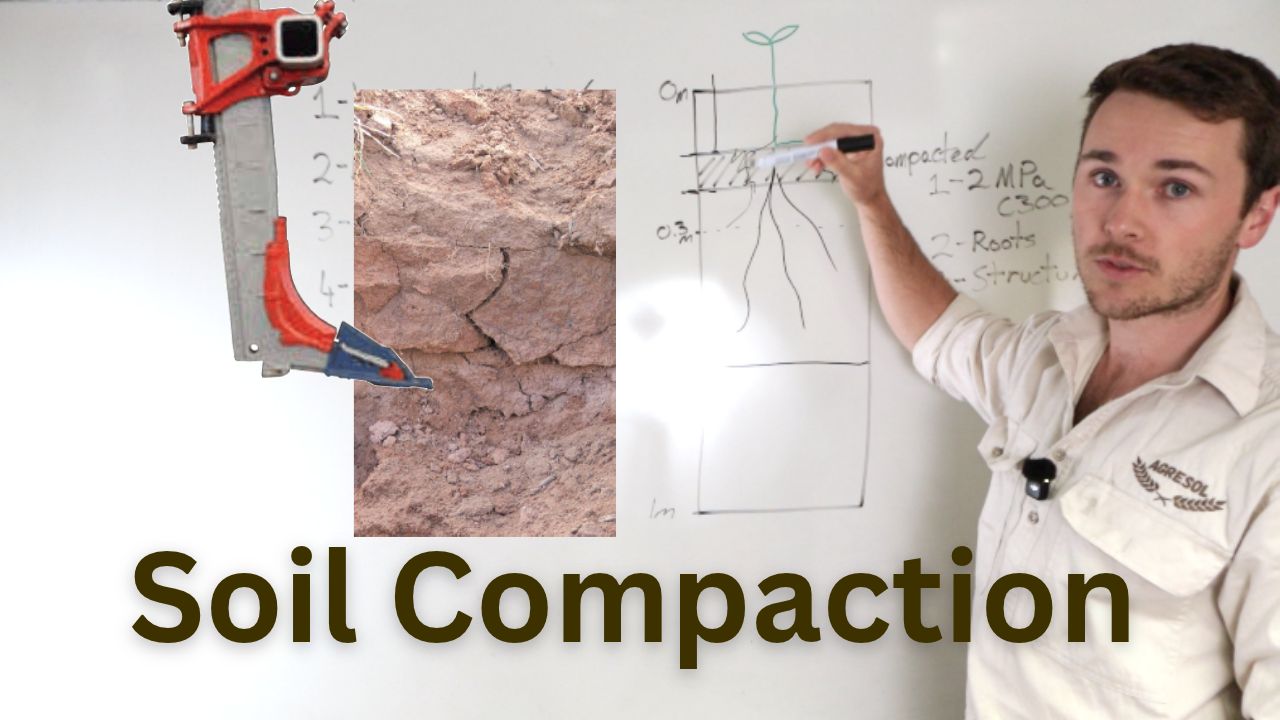
Compaction: Aerobic bacteria need air. Use low-disturbance deep ripping (like a Yeomans plow) to break up plow pans and allow roots to penetrate.
Step 2: Feed the Workforce (Carbon)
The most economical way to feed microbes is through root exudates. A healthy crop can pump out 10 tons of liquid carbon per hectare in a season—far more than you could afford to apply as molasses.
Increase photosynthesis by ensuring the plant has the minerals it needs (Mg, Mn, Fe, etc.).
Increase the time a living root is in the ground through cover crops, intercropping, or pasture cropping.
Step 3: Strategic Inoculation
Rather than trying to replace every microbe in 1,400 tons of soil, use a seed treatment.
The Shotgun Approach: Use a diverse mix like worm casting extract. This provides a broad spectrum of species, allowing the plant to “cultivate” exactly what it needs, whether that’s phosphorus solubilizers or nitrogen fixers.