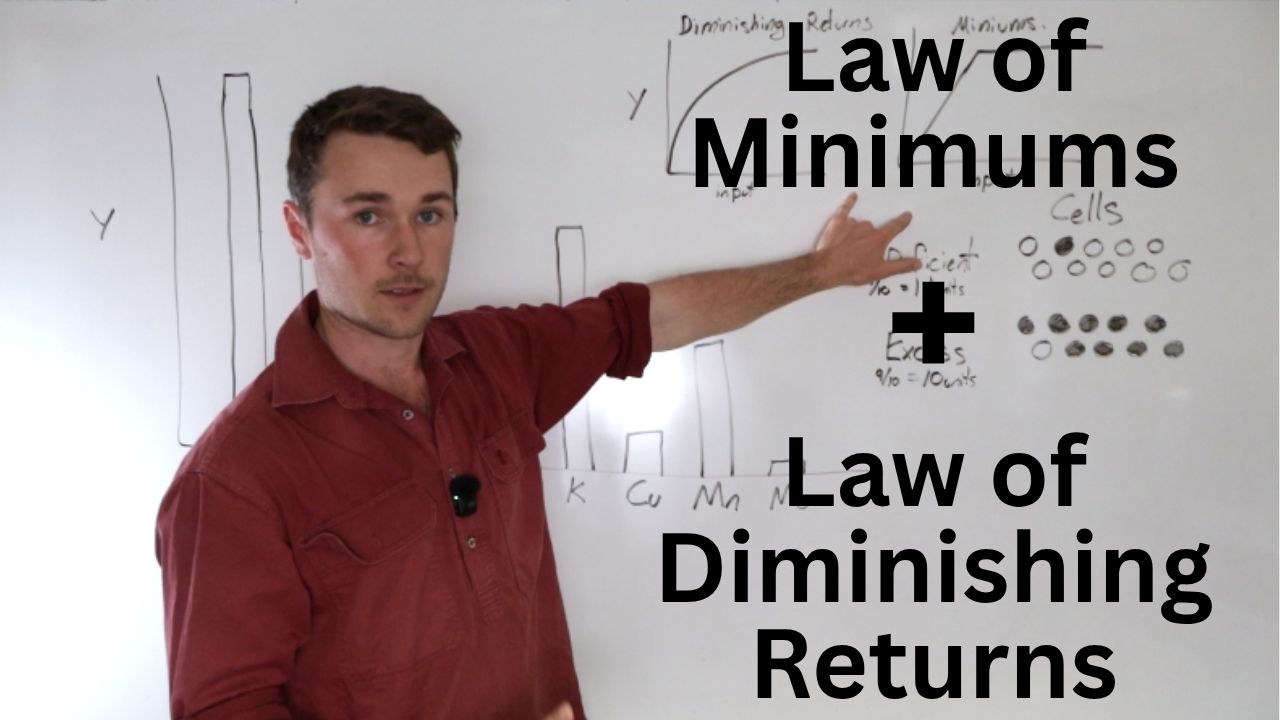
Sea mineral fertilizers are heavily marketed as broad-spectrum, miracle inputs for farm health, but a close evaluation of their chemical analysis reveals a simpler reality: most sea mineral products are primarily sodium and chloride.
First watch the video below from our Agresol Youtube channel.
What Are You Buying?
Sea mineral inputs generally come in two forms: liquid concentrates (with sodium partially extracted) or dehydrated salt solids. Analysis of a typical dry salt product reveals:
Sodium & Chloride (60%+): Roughly 300,000 ppm chloride and 300,000 ppm sodium make up the vast majority of the product.
Macro-Elements: Contains minor levels of calcium, magnesium, potassium, and sulfur.
Trace Elements (Negligible): Minerals like manganese and molybdenum exist in minuscule parts-per-million concentrations or below equipment detection limits, offering little to no crop response. For example, a standard molybdenum application is 50g/ha, while if applied as a sea mineral product at recommended rates of 100kg/ha, only 5mg/ha of Mo would be added (about 1/1000 of the required amount if deficient).
Evaluating the Marketing Claims
Broad-Spectrum & Balanced: While seawater technically contains over 90 minerals, they are not present in balanced ratios matching plant tissue, sap, or soil needs. High applications of chloride block nitrate, sulfate, and phosphate uptake, while excess sodium antagonizes calcium, magnesium, and potassium.
Soil & Plant Health: Applying 100 kg/ha deposits 30 kg of sodium and 30 kg of chloride into the soil profile. In regions with high evapotranspiration and lower rainfall, like much of Australia, this risks salinity buildup which can harm than plant and soil health.
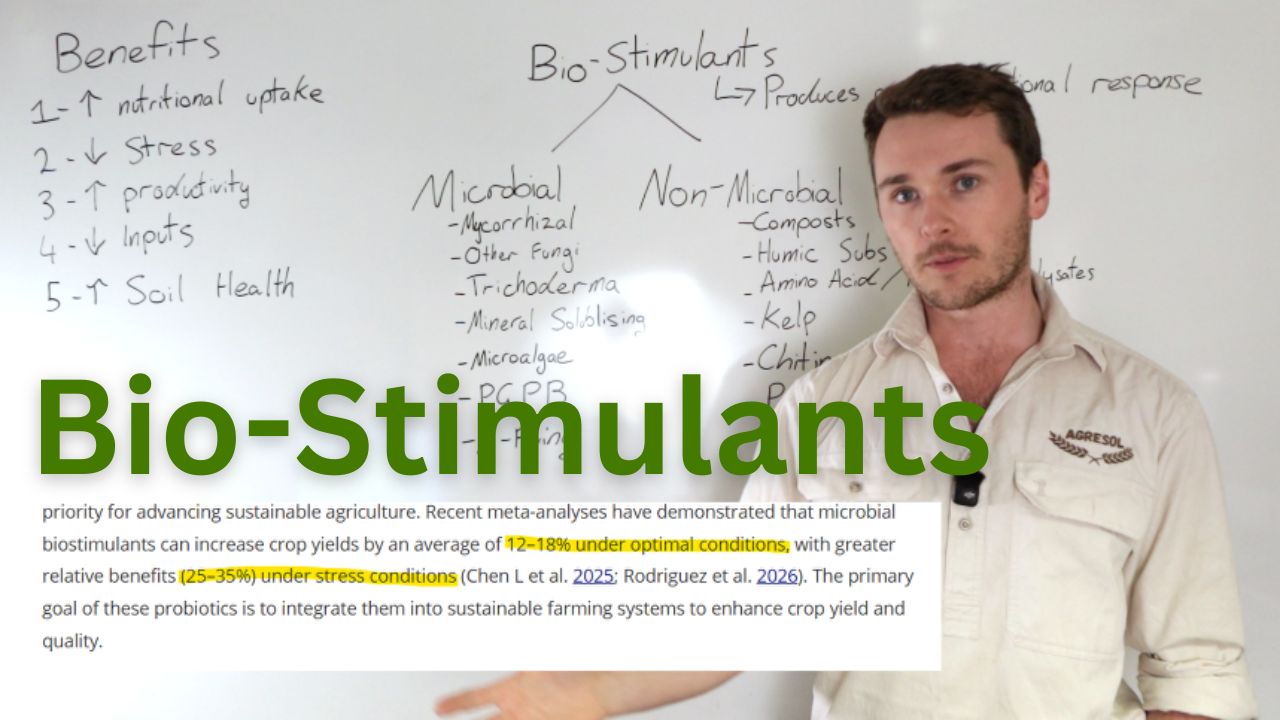
Biostimulant Potential: High salt applications (~6,000 ppm) can act as an immune elicitor by triggering mild plant stress responses, but trial results are highly inconsistent and unproven.
Flawed Trial Science
Many supplier trials rely on flawed experimental design, such as comparing 100% NPK against 50% NPK plus sea minerals without a 50% NPK-only control group. This misleading marketing undermines farmer trust and hurts the reputation of the broader regenerative agriculture movement.
Practical Application Strategy
Livestock Salt Licks: Valid as a sodium chloride supplement if priced competitively with standard salt.
Leached Coastal Soils: Worth trialing only in high-rainfall zones where soil testing confirms genuine sodium and chloride deficiencies.
Foliar Moisture Retention: Adding 0.1% to foliar sprays can increase deliquescence, though standard calcium chloride achieves the same effect.
Targeted Remediation: Instead of spending up to $250/ha on salt-heavy inputs, test your soil and apply specific, high-concentration minerals (e.g., sodium molybdate) to fix actual limiting factors.