If you’re looking for a way to significantly boost microbial activity and improve soil health, a soil primer could be the solution you’re after.
In this article, we’ll explain what a soil primer is, how it works, and how to apply it effectively on-farm. You’ll also learn how to make your own DIY mix to support nutrient cycling, soil structure, and disease suppression.
First, make sure to watch the video below from our YouTube channel (and subscribe!)
What is a Soil Primer?
A soil primer is typically a liquid product applied to soil before sowing or the growing season. It contains microbes and biostimulants (microbial food) designed to stimulate soil biology and unlock nutrients, particularly phosphorus, that may already exist in the soil but are unavailable to plants.
This process is known as the soil priming effect where the addition of readily available carbon sources (known as “labile carbon”) stimulates microbes to decompose organic matter and scavenge for nitrogen. This leads to a rapid increase in microbial activity and nutrient mineralisation.
Why Use a Soil Primer?
Stimulating microbial life in the soil can bring a host of benefits, including:
1. Improved Nutrient Cycling
Microbes break down organic residues and minerals, unlocking nutrients like phosphorus, nitrogen, and micronutrients. This is particularly valuable if your soil has high total nutrient levels but low availability.
For example, a soil might contain 1200 ppm of total phosphorus but only 20 ppm available. Instead of applying more fertiliser, you can use microbes (e.g., phosphorus-solubilising bacteria) to unlock what’s already there.
2. Enhanced Soil Structure
Healthy microbial populations contribute to aggregation and pore formation in soils. This improves water infiltration, gas exchange, and root growth – essential components of soil health.
3. Disease Suppression
Diverse and active microbial communities create natural competition that reduces the presence and impact of soil-borne pathogens.
4. Increased Microbial Biomass and Diversity
The goal is not just more microbes, but more functional diversity – decomposers, disease suppressors, nutrient cyclers, and symbionts working together.
When and How to Apply
Apply your soil primer:
2–3 weeks before sowing, or
Just before breaking dormancy in orchards or pastures
Apply with as much water as practical for your system, and ideally just before rainfall to help ingredients infiltrate the soil.
Components of a Soil Primer
There are two key parts to a soil primer mix:
1. Microbial Inoculants
Worm casting extracts – High microbial diversity; excellent all-rounder
Compost extracts – Good for general inoculation
Beneficial anaerobic microbes (e.g. BAM) – Useful in compacted or oxygen-limited soils
Trichoderma – Great for stubble digestion and disease suppression
Note: Mycorrhizal fungi should be applied as a seed coat, not in soil primers, as they require living roots to colonise.
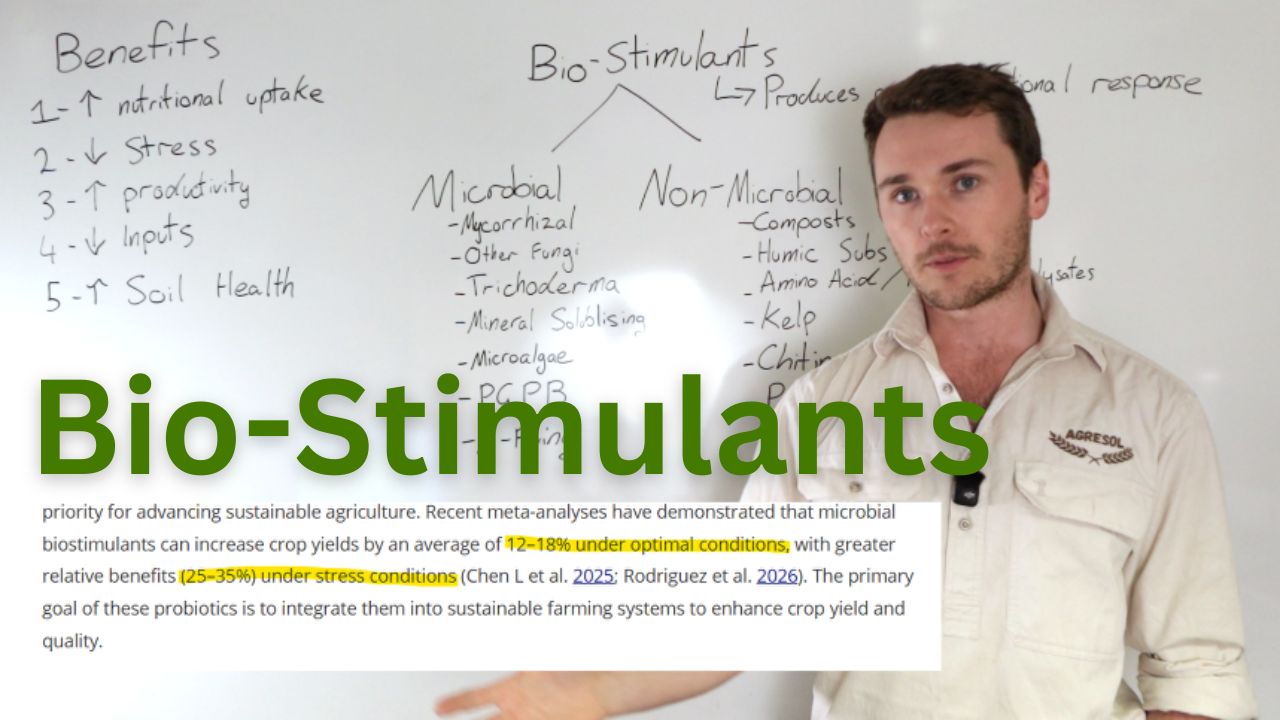
2. Biostimulants (Microbial Food)
Molasses (10 L/ha) – Simple carbon source, feeds bacteria
Humic acid (5 L/ha) – Complex carbon, supports fungi, improves CEC
Fulvic acid (1–2 L/ha) – Enhances nutrient uptake, supports bacterial activity
Liquid kelp (1–5 L/ha) – Contains complex carbohydrates and growth hormones
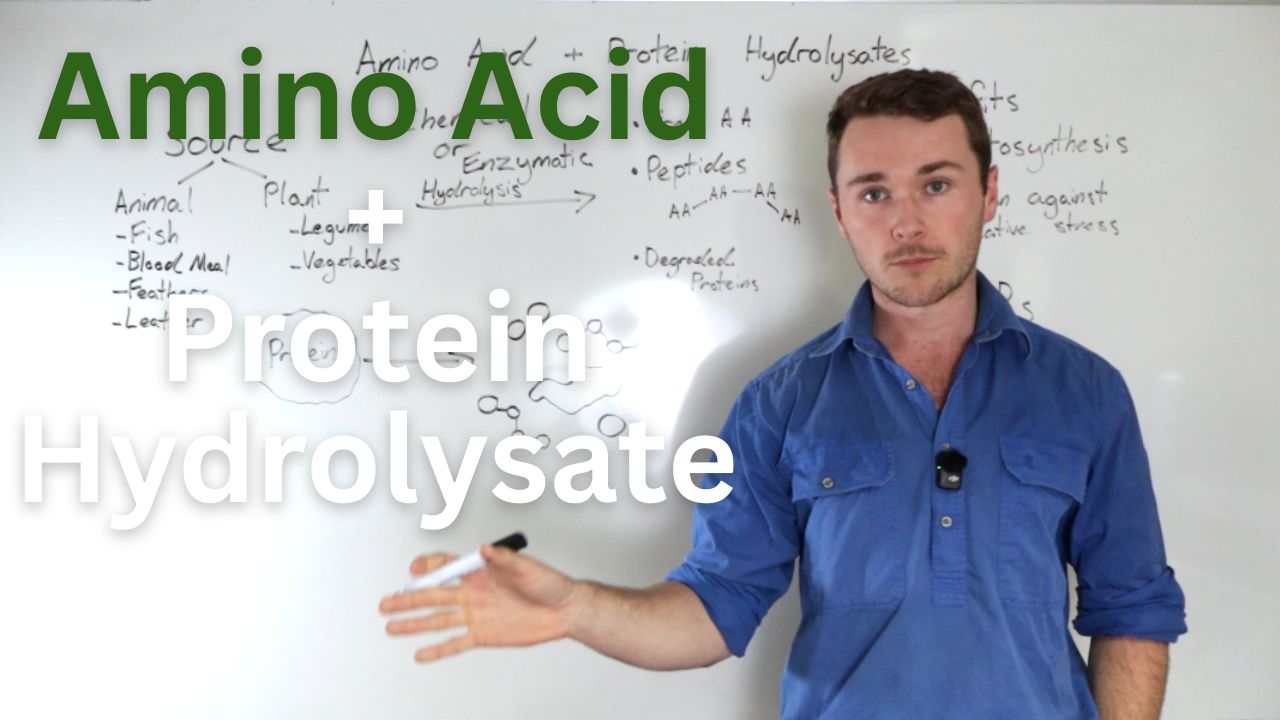
Fish hydrolysate (1–2 L/ha) – Source of amino acids and nitrogen for microbial stimulation
These ingredients boost existing microbes and those you add, working together to deliver a synergistic effect.
Optional Additions
Minerals:
Incorporating trace minerals in low doses can be efficient via a soil primer:
Molybdenum (Mo): 50-100 g/ha
Zinc (Zn): 1–3 kg/ha
Cobalt: 25-50 g/ha
Selenium: 50-100 g/ha
Avoid copper and boron as it can be a biocide.
Liquid Calcium:
Apply 20 L/ha of micronised or chelated calcium (e.g. calcium acetate) to bind soluble carbon and further stimulate biology. This can be expensive and not nessary.
DIY Recipe Example (per hectare)
| Ingredient | Rate |
|---|---|
| Molasses | 10 L |
| Humic acid | 5 L |
| Fish hydrolysate | 1–2 L |
| Fulvic acid | 1–2 L |
| Liquid kelp | 1–2 L |
| Worm casting extract | 5 L |
Dilute with 50–200 L of water per hectare depending on your equipment and paddock conditions. Always jar test first to ensure compatibility.
Final Thoughts
Soil primers won’t replace cover crops entirely, but they are a powerful tool to activate soil biology and improve function, especially where cover cropping isn’t feasible. Whether you’re DIY-ing or using our ready-made blends, the key is to support microbial life and harness its power for nutrient cycling, structure, and plant health.