Understanding the types of weeds on your farm is one of the most powerful tools in a regenerative agriculture toolkit. As a regenerative consultant, when I look at weed populations, I am thinking through why specific species are present and how we can alter the environment to manage them naturally and effectively.
The cornerstone of this approach is integrated weed management. In regenerative systems, our goal is not the complete eradication of every single weed. Instead, we aim to take multiple coordinated actions to keep weed populations below an economic threshold, maximizing the overall economic return and health of our land.
First watch the video below from our Agresol Youtube channel.
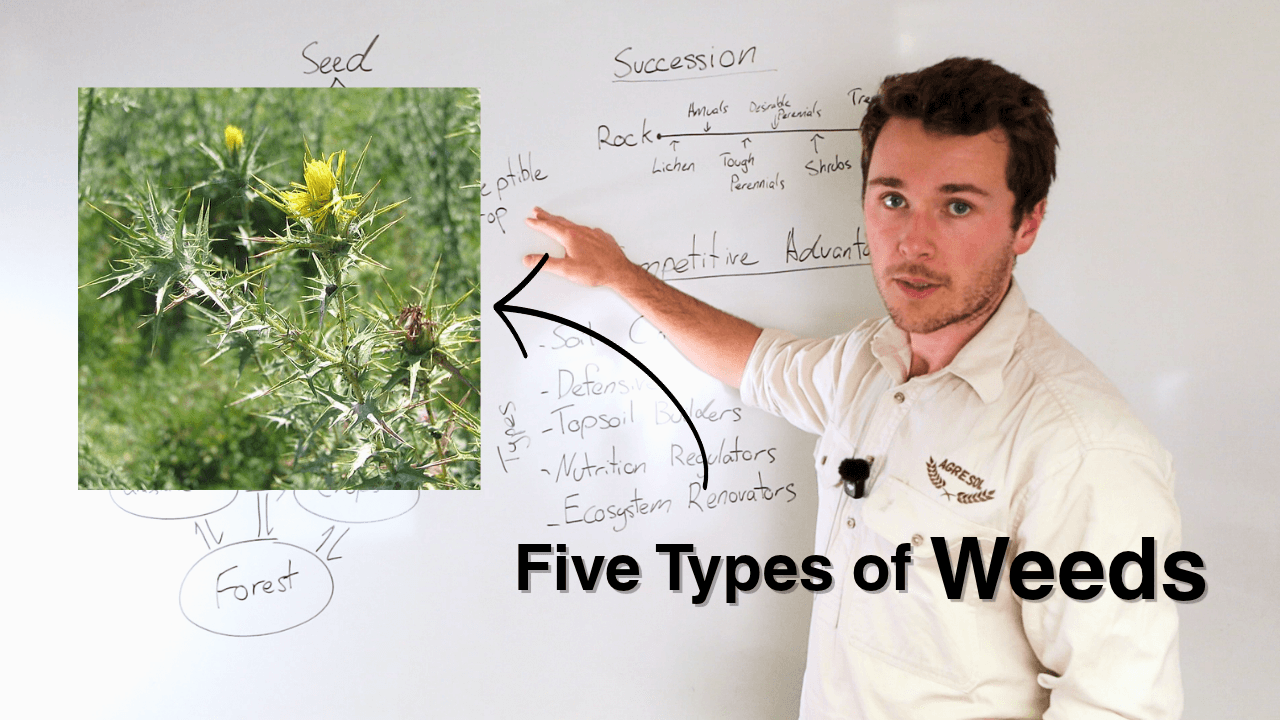
The Weed Triangle Framework
Adapted from the classic disease triangle model, weed management requires three factors to coincide for a problem to manifest:
- Seed/Species Presence: The seed or reproductive structure must be present in the seedbank.
- Favorable Environment: Soil, moisture, disturbance, and nutrient conditions must favor that specific species.
- Susceptible Crop or Pasture: The desirable crop must be non-competitive enough to allow the weed to establish.
If any one of these elements are missing or weakened, weeds cannot become dominant. While traditional management focuses heavily on removing the seed (via herbicides or burning) or reducing crop susceptibility (via row spacing and seed seeding rates), managing the environment is often the most underrated and effective leverage point.
Rethinking Weed Management via Ecological Succession
Ecological succession describes how plant communities naturally transition over time, moving from bare rock or disturbed soil up through lichens, annual weeds, rough perennials, desirable perennial grasses, shrubs, and eventually climax forest ecosystems.
In agricultural landscapes, our goal is to align ecological conditions with our specific production targets:
- Horticultural & Tree Crops: Require higher-successional fungal-dominated soil environments.
- Perennial Pastures: Thrive in stable, mid-to-high successional grass communities (e.g., cocksfoot, phalaris).
- Annual Crops: Operate in naturally lower-successional, disturbance-adapted environments.
Disturbances such as overgrazing, tillage, or fire trigger secondary succession, pushing the system backwards toward opportunistic early-stage weeds. Modern ecologists also use the State and Transition Model, which shows that ecosystems transition between distinct stable states depending on management inputs and disturbances. When weeds appear, they are indicating that ecological conditions have shifted away from your ideal state.
The 5 Types of Weeds & Their Ecological Roles
Rather than viewing weeds as malicious invaders, we can evaluate their physical, physiological, and structural competitive advantages to understand what message they are sending us about our soil and management.
1. Soil Cover Species
Examples: Vulpia, kerosene grass, couch grass, fast-growing annual forbs.
Ecological Function: These low-successional pioneers colonize bare ground quickly to shield exposed soil from erosion, extreme heat, and moisture loss. They appear rapidly following heavy disturbance, overgrazing, or tillage.
2. Defensive Plants
Examples: African lovegrass, wiregrass, spiky tussocks, thorny species.
Ecological Function: High in silicates or protected by physical defenses, these tough plants emerge when pasture communities are selectively overgrazed. Because livestock avoid eating them, defensive plants gain a decisive competitive advantage over palatable perennials.
3. Topsoil Builders
Examples: Thistles, chicory, dandelions, Patty’s lucerne, marshmallow weed.
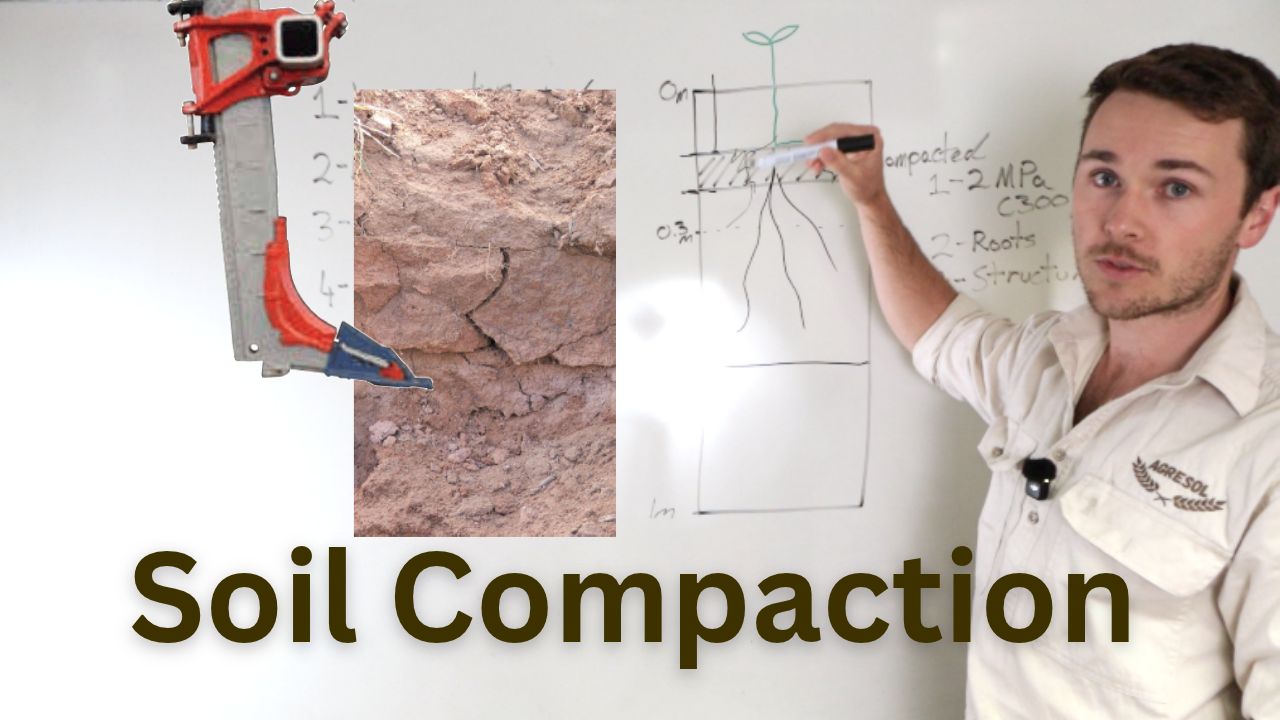
Ecological Function: Equipped with thick, strong taproots, these species penetrate compacted subsoil layers, break up hardpan zones, bring up subsoil minerals, and establish vertical drainage channels to restore soil structure.
4. Nutrition Regulators
Examples: Capeweed, nettles, marshmallow (high N indicators); wild legumes (low N indicators); Paterson’s curse (copper imbalance indicator).
Ecological Function: These plants respond dynamically to excess or deficient nutrient levels. Heavy nitrates around livestock camps invite nitrate-loving species like capeweed and nettles, whereas nitrogen-fixing legumes fill niches in nitrogen-depleted soils.
5. Ecosystem Renovators
Examples: Pin rush, rushes, lantana, blackberry.
Ecological Function: Large woody perennials or wetland plants signal a fundamental change in the land state. For instance, pin rush presence signals waterlogging and transition toward a wetland ecosystem, while lantana and blackberry push open pasture back toward scrubland or forest.
Strategic Environmental Management
Once you identify why a weed is thriving, you can adapt your management to eliminate its competitive advantage without relying solely on chemical inputs:
- For Soil Cover Weeds: Increase stubble retention, reduce tillage, and manage grazing to maintain continuous ground cover and plant litter.
- For Defensive Weeds: Implement rotational, high-density grazing with adequate recovery periods so desirable perennials are not overgrazed.
- For Topsoil Builders: Relieve physical soil compaction mechanically (such as aeration or deep ripping) or establish taprooted cover crops.
- For Nutrition Regulators: Balance nitrogen applications, spread out heavy stock concentrations, or address subsoil mineral imbalances.