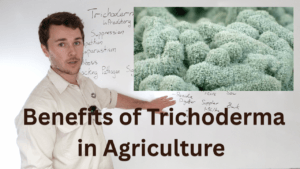
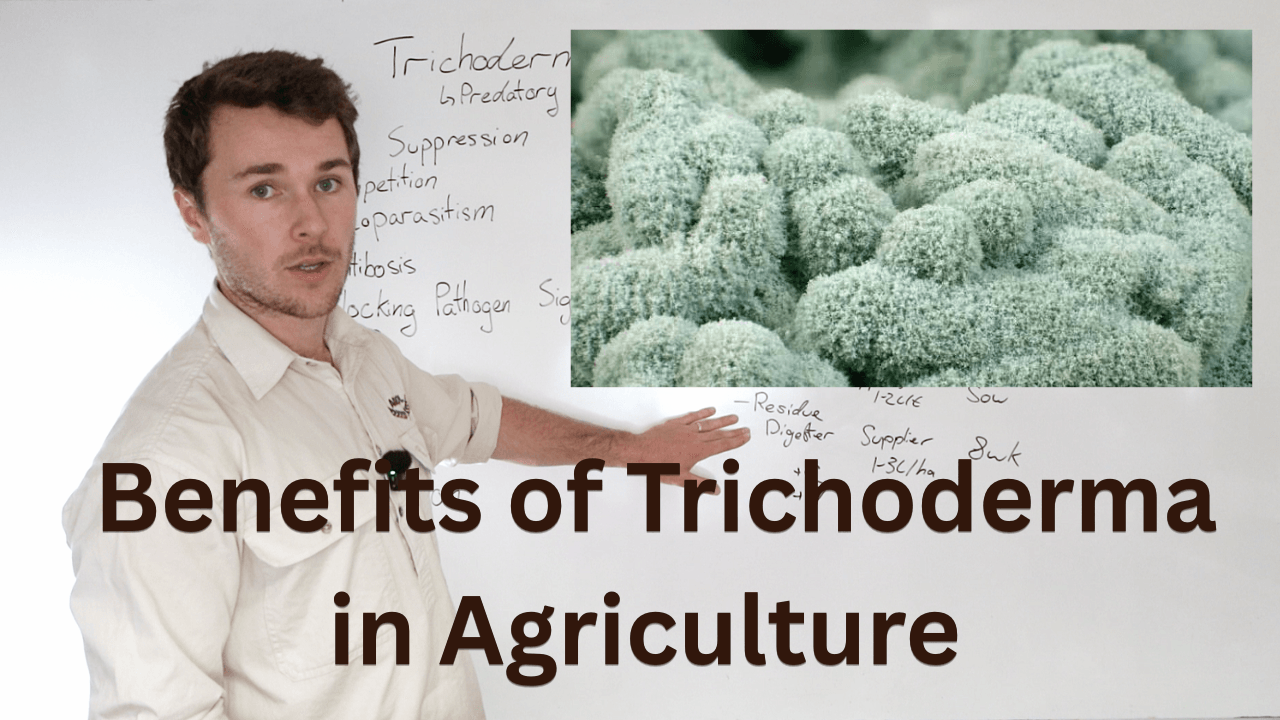
If you are looking for an effective, biologically friendly approach to managing crop diseases and improving soil biology, Trichoderma stands out as one of the most versatile biological tools available today.
Backed by over six decades of extensive research, Trichoderma is a well-documented biological control agent (or biocide) consisting of over 1,000 naturally occurring species of predatory fungi, commonly characterized as beneficial green mold.
First watch the video below from our YouTube channel:
Plant Growth & Bio-Stimulation
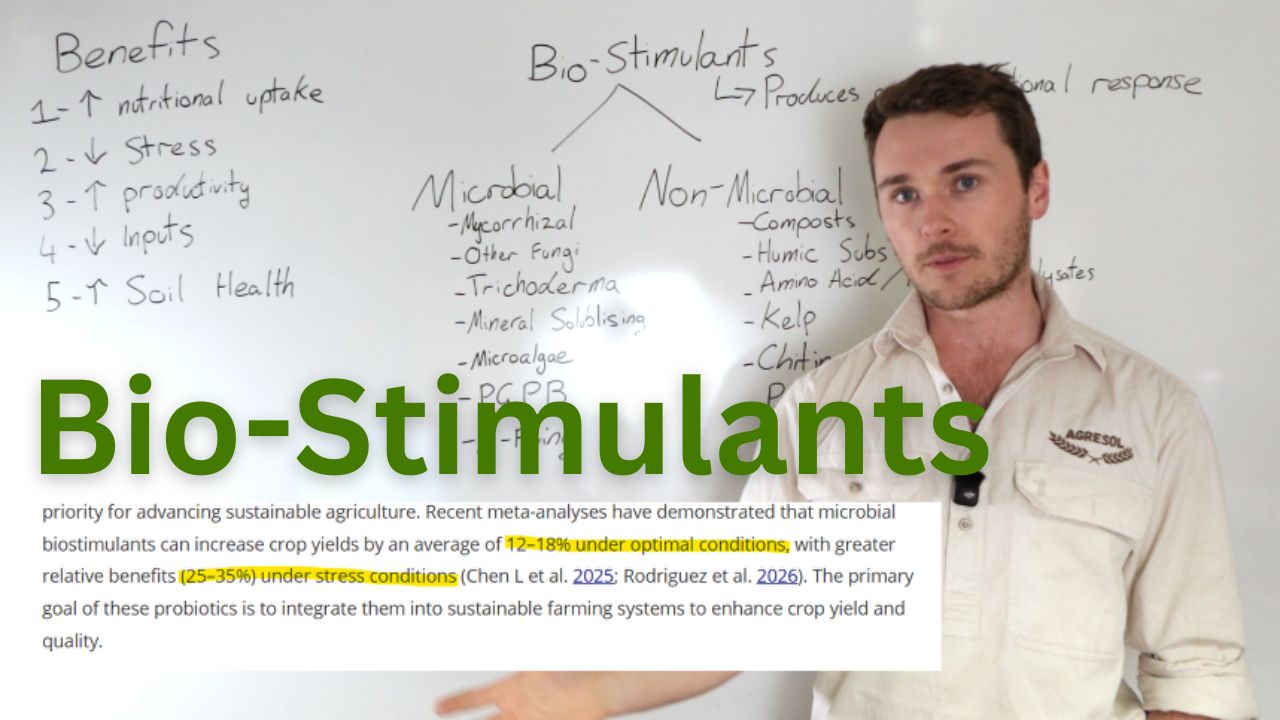
In addition to disease protection, Trichoderma functions as a potent Plant Growth Promoting Fungus (PGPF). During colonization, it synthesizes and secretes vital phytohormones and secondary metabolites, including auxins and Indole-3-Acetic Acid (IAA).
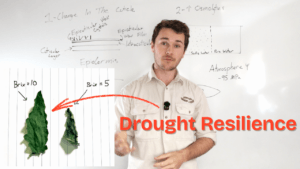
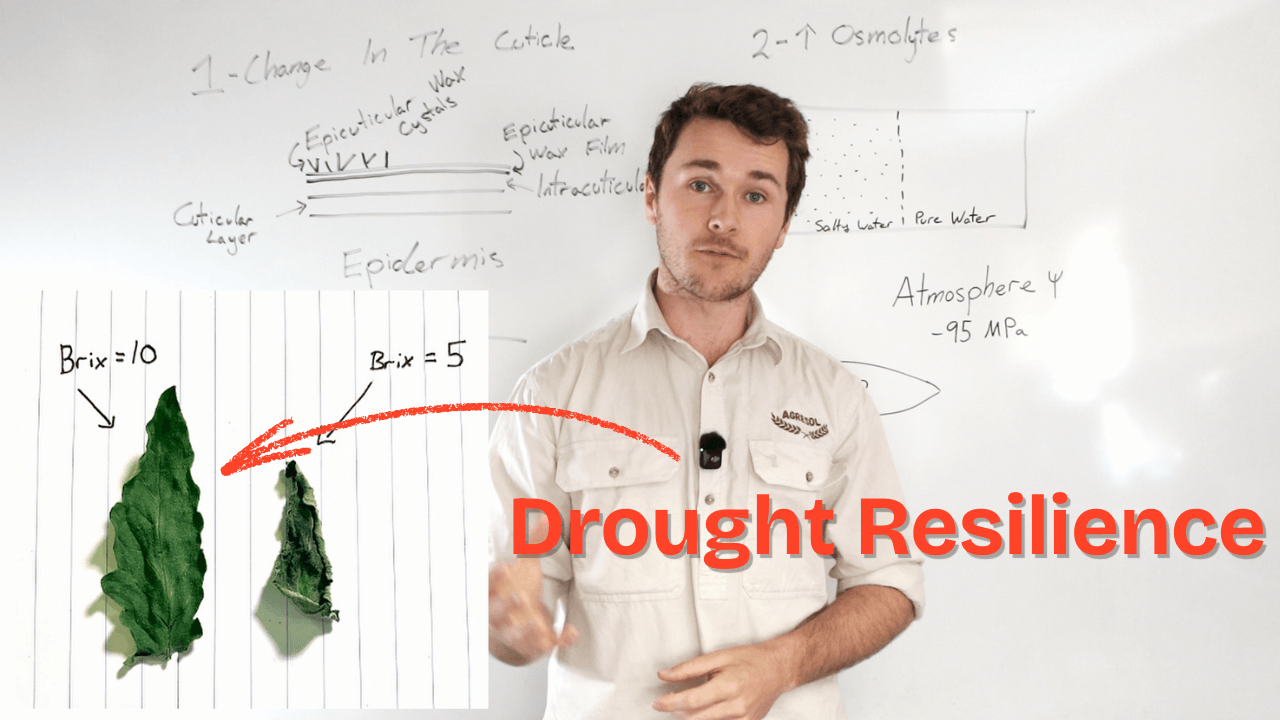
These biostimulants accelerate seedling emergence, enhance lateral root expansion, and establish a deep, robust root architecture. As a result, crops treated with Trichoderma demonstrate improved nutrient uptake efficiency, better access to soil moisture, and heightened resilience against abiotic stresses such as drought and extreme temperature fluctuations.
Accelerating Residue Breakdown & Stubble Digestion
Post-harvest stubble management poses significant challenges in high-yielding production systems. Trichoderma excels as a saprophytic decomposer by producing high concentrations of specialized enzymes, specifically cellulase and ligninase, capable of rapidly degrading complex woody plant polymers like cellulose and lignin.
Replacing traditional burning or heavy tillage with biological stubble digestion retains essential macro-nutrients, including nitrogen (N), phosphorus (P), potassium (K), and valuable organic carbon, directly inside the soil matrix. Furthermore, rapidly digesting crop residue eliminates overwintering environments for crop pathogens and decreases pest habitats for slugs and snails prior to the next planting season.
Bioremediation of Soil Chemical Residues
An incredible capability of Trichoderma is its capacity for biological remediation. Intensive farming practices often leave behind residual herbicides and synthetic pesticides that persist in soil, disrupting soil biology and restricting crop rotation options.
Trichoderma actively degrades persistent chemical compounds through enzymatic cleavage, accelerating the breakdown of toxic soil residues and revitalizing agricultural soils for future crop growth.
Best Practices & The 4 Rs of Application
To ensure consistent biological efficacy, proper sourcing and targeted application strategies are essential:
Sourcing: Opt for professional, commercial formulations containing multiple strain blends rather than single-strain home brews. Multi-species products ensure higher quality control, species purity, and broader adaptation across varying soil temperatures, moisture levels, and pH ranges.
Foliar Application: Best utilized as a preventative treatment prior to key physiological stages (such as flag leaf emergence in cereals). Apply according to product concentrations, typically ranging between 0.1 to 1.0 kg/ha.
Seed Treatment (Recommended Starting Point): Inoculating seed at planting (typically 1–2 L per tonne of seed) represents the most reliable, cost-effective entry point. Early inoculation establishes immediate fungal colonization throughout the developing rhizosphere, offering season-long biological protection and root stimulation.
Stubble & Residue Digestion: Apply 1–3 L/ha approximately 8 weeks prior to sowing or spring root flush. For optimal breakdown, co-apply with soluble carbon sources (molasses, humic acid), a nitrogen source (urea, ammonium sulfate, or amino acids), and vital trace elements (cobalt, molybdenum).