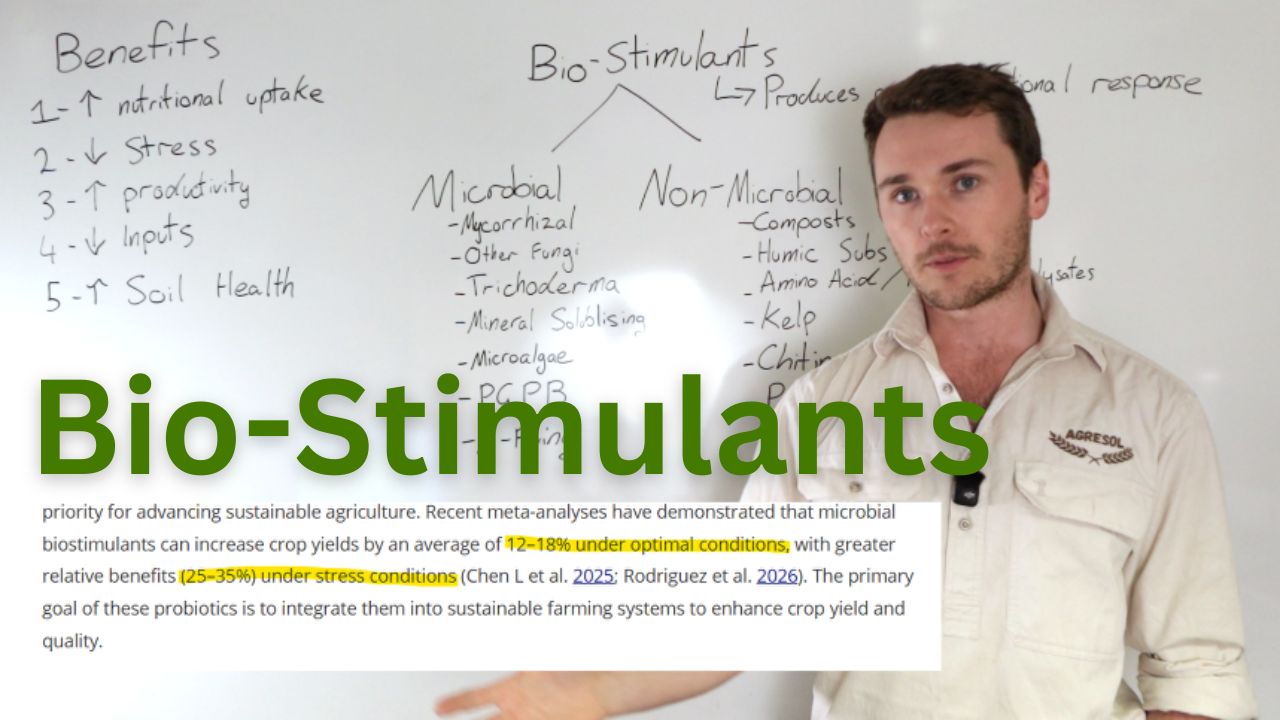
Biostimulants present a major opportunity to increase crop health, resilience, and overall yield, provided they are evaluated with an independent, objective mindset. Unlike traditional synthetic fertilizers that supply direct nutritional elements, biostimulants function by triggering positive, non-nutritional biological responses within the plant.
While applying urea delivers direct nitrogen to generate a nutritional uptake response, biostimulants stimulate internal plant functions, enhance stress tolerance, and increase productivity without directly feeding the crop.
First watch the video below from our Agresol Youtube channel.
The Two Core Categories of Biostimulants
Biostimulants are broadly divided into microbial inoculants and non-microbial compounds, each driving unique physiological responses in the crop.
1. Microbial Biostimulants
Microbial biostimulants consist of living organisms that colonize the plant rhizosphere or internal tissues to enhance growth:
Mycorrhizal Fungi: Colonize plant roots and extend hyphae into the surrounding soil, expanding the effective root zone to increase nutrient uptake efficiency beyond standard root capacity.
Predatory & Defense Fungi: Species such as Trichoderma act as predatory fungi that suppress disease pathogens while simultaneously stimulating the plant’s natural immune system. Other functional fungi include dark septate endophytes and biological communities found in Johnson-Su bioextracts.
Mineral-Solubilizing Microbes: Specialized bacteria and fungi that secrete organic acids and enzymes to release bound soil minerals, including phosphorus, potassium, manganese, and zinc solubilizers.
Nitrogen-Fixing Bacteria: Free-living, associative, or symbiotic bacterial strains capable of fixing atmospheric nitrogen, supplying estimated rates between 30 and 80 kg N/ha depending on management conditions.
Plant Growth-Promoting Bacteria (PGPB) & Microalgae: Organisms that produce growth-stimulating substances to drive overall crop development.
A broader meta-analysis indicates that microbial inoculants deliver average yield increases of 12% to 18% under optimal conditions, and up to 20% to 25% when crops experience environmental stress.
2. Non-Microbial Biostimulants
Non-microbial biostimulants consist of bioactive compounds and substances applied to trigger targeted plant responses:
Humic & Fulvic Substances: Complex carbon compounds (such as fulvic acid) that improve nutrient movement and enhance foliar absorption efficiency.
Compost Metabolites: Bioactive organic compounds and metabolites produced during controlled organic matter decomposition.
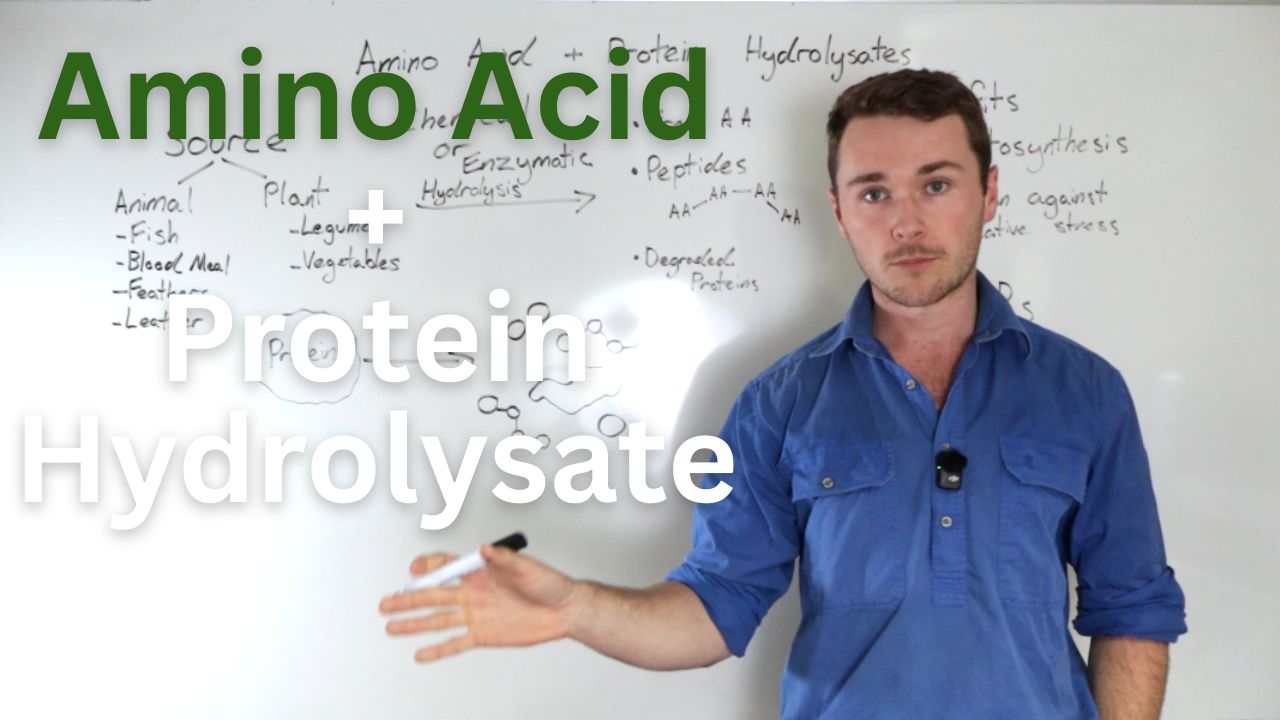
Amino Acids & Protein Hydrolysates: Protein-derived compounds that accelerate plant protein synthesis, increase chlorophyll content, and build stress resilience.
Plant Growth Regulators (PGRs) & Chitin: Hormonal signals, such as gibberellic acid, that regulate specific growth stages and developmental functions.
Inorganic Compounds: Non-essential mineral elements—including silica, selenium, and cobalt—that strengthen plant tissue and improve environmental stress tolerance.
Delivery Pathways & Application Economics
Because non-microbial biostimulants are active at very low concentrations, standard foliar applications require only 1 to 2 L/ha, delivering high return on investment when applied through the correct channel.
| Delivery Pathway | Best-Suited Biostimulants | Agronomic & Economic Rationale |
| Foliar Application | Kelp extracts, humic/fulvic acids, amino acids, inorganic compounds | Highly efficient; delivers compounds directly to leaves and bypasses soil tie-up issues. |
| Seed Treatment | Mycorrhizal fungi, Trichoderma, PGPB, N-fixing bacteria | Highly cost-effective (~5 L per tonne of seed); places beneficial microbes directly at root emergence. |
| In-Furrow Application | Microbial liquid inoculants | Precision placement alternative to seed coating for establishing beneficial microbes in the root zone. |
| Soil Broadcast | Soil primers (limited adoption) | High application cost with low ROI in broadacre farming due to the massive volume of soil requiring treatment. |
On-Farm Benefits & Integrated Management
Incorporating biostimulants into your farming system provides five core agronomic advantages:
Unlocking Native Soil Minerals: Topsoil often holds extensive total mineral reserves; for instance, a 400 ppm total phosphorus test equates to roughly 5.5 tonnes of total P per hectare in the top meter. Solubilizing bacteria and fungi help unlock this native parent material, reducing the need for heavy buildup fertilizer applications.
Abiotic Stress Mitigation: Biostimulants such as kelp extracts improve plant cell stability, enabling crops to maintain performance during drought, heat, or salinity events.
Reducing Synthetic Input Costs: Bio-control agents like Trichoderma protect against fungal pathogens and stimulate internal plant defenses, allowing growers to strategic reduce reliance on synthetic pesticides.
Building Soil Health & Organic Matter: Increasing photosynthetic efficiency and chlorophyll content forces higher volumes of root exudates into the rhizosphere, driving microbial activity, soil aggregation, and organic matter formation.
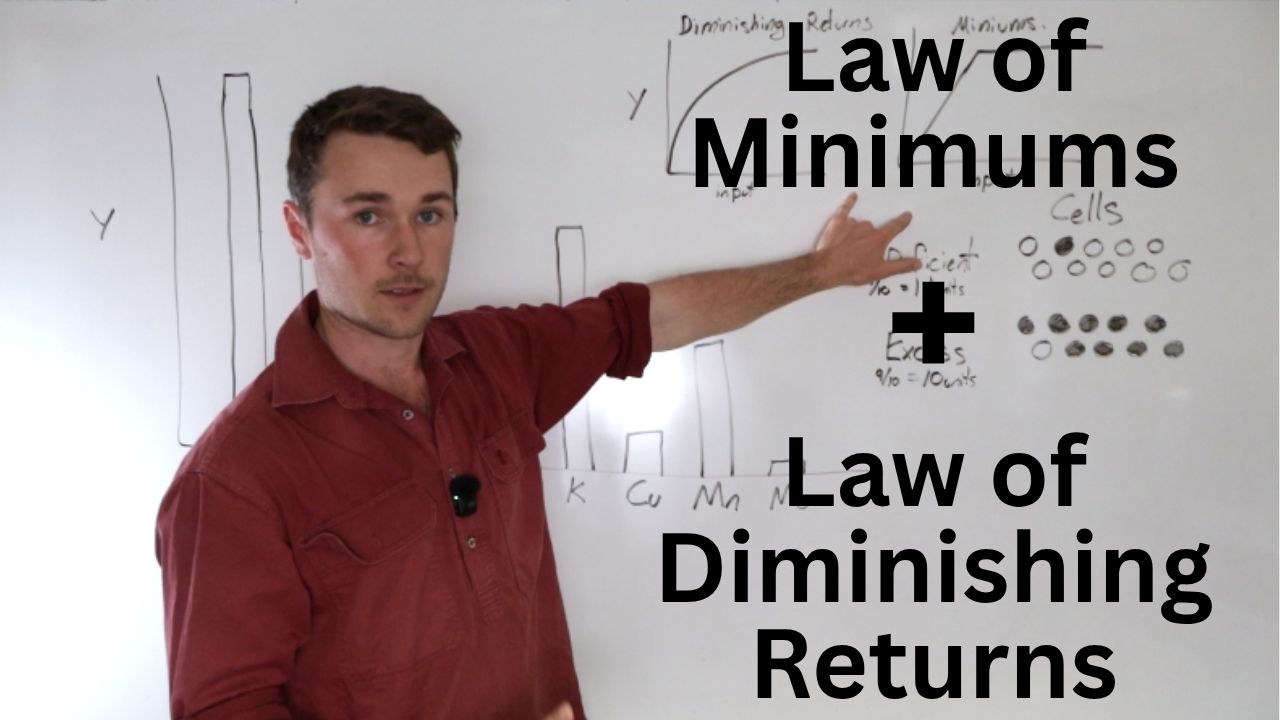
Integrated Nutrition Approach: Biostimulants cannot extract minerals that do not exist in the local geology. If a trace mineral like copper is completely absent from parent rocks, it must be added manually. Furthermore, replacement fertilizer rates should still be maintained to replenish nutrients physically removed from paddocks at harvest.
Bio-Stimulant Limitations
Despite their potential, biostimulants exhibit commercial limitations that require careful management:
Variable Field Success Rates: Commercial biostimulant trials show a success rate ranging between 40% and 80%. Outcomes vary significantly based on crop species, application timing, seasonal moisture, and product quality.
Lack of Standardized Quality Control: Unlike chemical N-P-K fertilizers that guarantee exact nutrient percentages, biostimulant formulations lack standardized testing methods for active plant hormones or complex microbial metabolites. Batch quality can also fluctuate if manufacturers change raw source materials or seasonal production processes.
Unknown Pathways: Although bio-stimulants have been demonstrated to produce a response in many studies, some mode of actions remain unknown for many bio-stimulants meaning we aren’t sure exactly why they work.