We often focus on the building blocks of soil health, but sometimes the most critical management decisions involve minerals we usually try to avoid. Chlorine (Cl) is a perfect example. While it is an essential nutrient required for plant production, we are far more likely to encounter chlorine toxicities than deficiencies.
We view chlorine as the “osmo-regulator” of the plant. It is responsible for regulating water flow and pressure within individual cells. While it also plays a role in photosynthesis, its impact on water dynamics is its most critical function for your management strategy.
First, watch the video below from our Youtube channel Agresol (and make sure to subscribe!)
The Chlorine-Salinity Connection
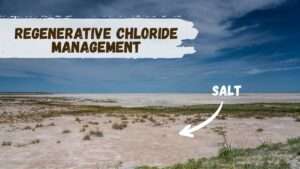
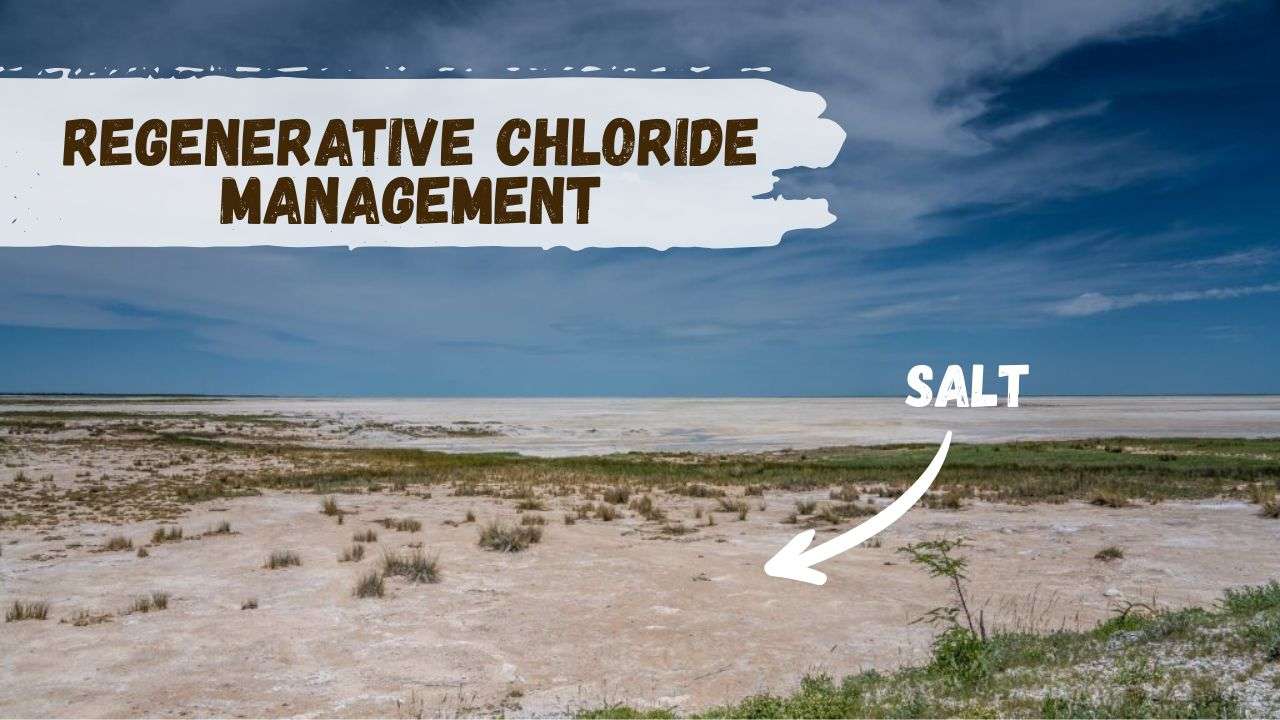
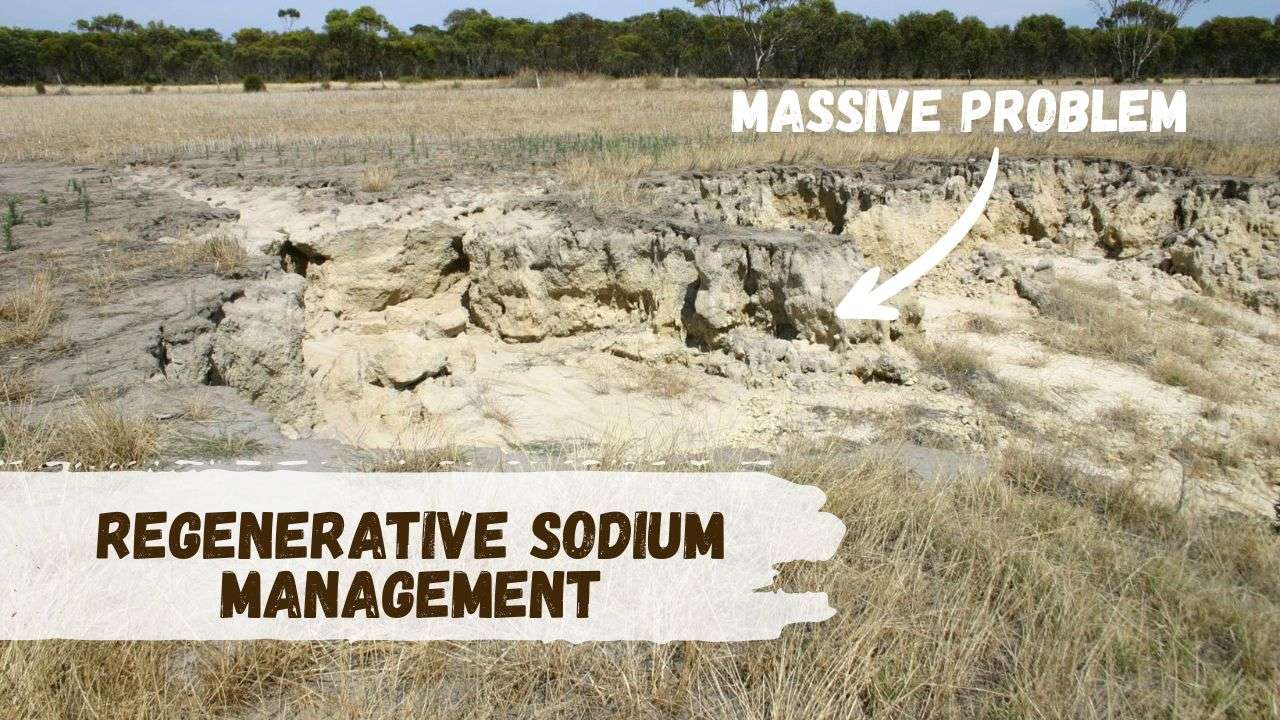
It is nearly impossible to discuss chlorine without talking about salinity. Chlorine typically makes up the largest portion of the dissolved salts in a soil solution. In Australia, managing this is a constant challenge, and we categorize it into two distinct types:
Primary Salinity: This is a natural condition where the soil’s parent material is inherently salty—often because the land was once under the ocean. This is a limitation we generally have to live with.
Secondary Salinity: This is caused by human management.
Dryland Salinity: Occurs when deep-rooted vegetation (like trees) is cleared for cropping. Without trees to use the water, the groundwater rises, dissolving salts and pushing them to the surface where they remain after the water evaporates.
Irrigation Salinity: Caused by adding saline water to the soil, which artificially raises the water table.
Why Excess Chlorine is a “Thirsty” Problem
The primary danger of high salinity and chloride is that it decreases the soil’s water potential. Plants absorb water through osmosis—moving water from high osmotic pressure (soil) to low osmotic pressure (roots).
When the soil is too salty, its osmotic pressure drops. This means that even if your soil profile has plenty of physical water, the plant may still experience water stress because it cannot exert enough “pull” to extract it. Much like humans cannot drink seawater, plants cannot “drink” highly saline soil water.
The Nutrient Blockade
Beyond water stress, excess chlorine acts as a competitor. Because it is a negatively charged ion (anion), it competes for the same uptake pathways as other critical nutrients. High levels of chloride can significantly reduce the plant’s ability to take up:
Phosphorus
Sulfur
Nitrates
If your sap tests show high chloride levels alongside deficiencies in these key anions, you have a chlorine-induced nutrient blockade.
Management and Recovery Strategies
Fixing high salinity is a long-term game that requires leaching salts back into the groundwater and out to the ocean—a process that can take a very long time. However, there are several steps we can take now:
Short-Term Fixes
Foliar Applications: If soil chlorine is blocking nutrient uptake, bypass the soil entirely. Applying nutrients directly to the leaves is a highly efficient way to get the plant what it needs when the soil environment is hostile.
Silica Applications: Silica can help plants resist abiotic stress factors like excess salinity and help them take up necessary nutrients.
Switching Fertilizers: Immediately cut out fertilizers containing chloride. For example, use Potassium Sulfate instead of Potassium Chloride.
Long-Term Regenerative Solutions
Perennial Pastures and Trees: To truly fix dryland salinity, we must use the land according to its limitations. Replanting trees and deep-rooted perennial plants helps lower the water table back down, allowing salts to be washed into the subsoil.
Crop Tolerance: If you must farm in saline conditions, choose tolerant crops like Barley to maintain some profitability while you work on long-term soil health.
Summary
Chlorine management is a strategic battle against salinity and water stress. While short-term nutritional bypasses can keep a crop alive, the ultimate regenerative goal is to restore the complex ecosystems that keep our water tables, and our salts, in balance.
If you concerned about excess chloride and how it could be affecting your crops, You can get started with a free 30-minute consult to review your soil tests and start your journey toward a more resilient, regenerative farm.