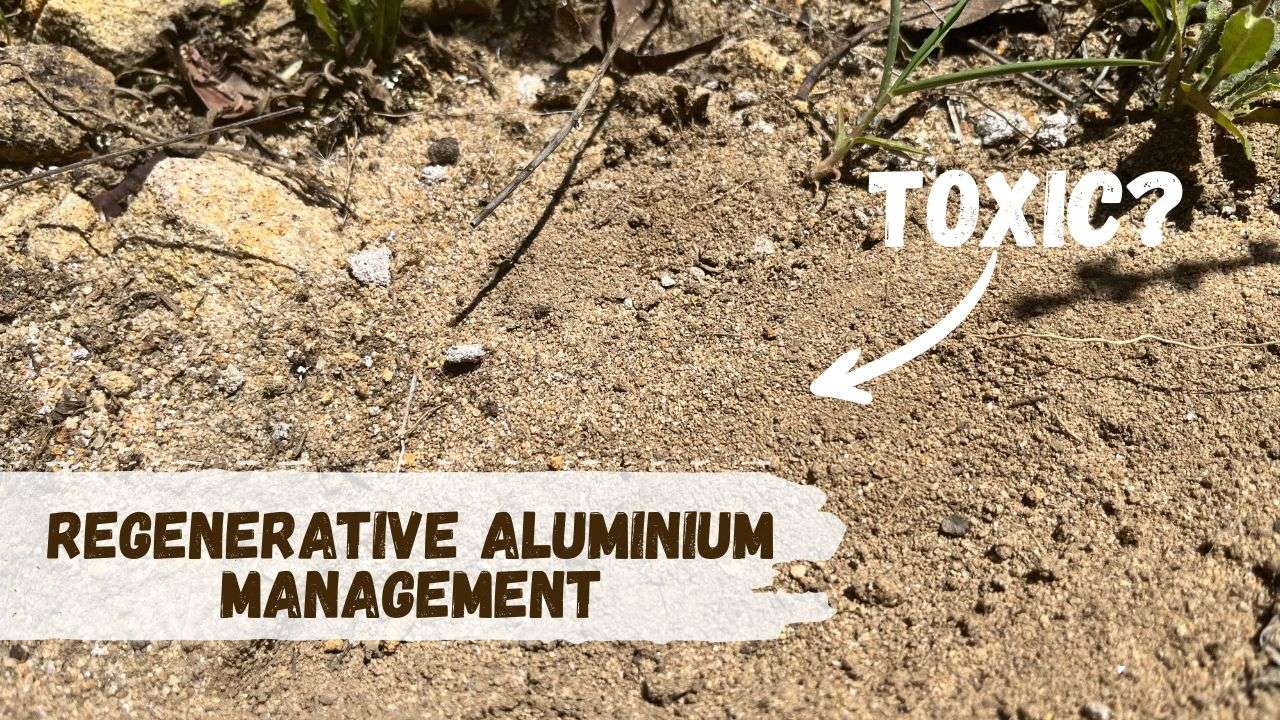
Aluminum is the most abundant mineral in the Earth’s crust, yet it is naturally very toxic to plant life. Fortunately, it is typically insoluble and only poses a threat when soil conditions shift. We help growers identify when this abundant mineral becomes a liability and how to manage it using regenerative practices.
First, watch the video below from our Youtube channel Agresol (and make sure to subscribe!)
The pH Connection: When Aluminium Becomes Toxic
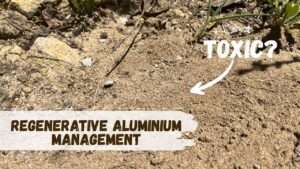
Aluminium toxicity and soil pH are fundamentally linked. In healthy soil, aluminium remains locked away, but as soil becomes highly acidic, it is released and becomes soluble in the soil solution.
The Threshold: Aluminium availability typically increases sharply when soil pH drops below 5.5 (in a water solution).
The Impact on Growth: Once soluble, aluminium attacks the two most fundamental functions of a plant:
Root Development: It stuns root tips, severely limiting the plant’s ability to absorb water and nutrients.
Photosynthesis: It reduces chlorophyll function, preventing the plant from photosynthesizing effectively.
Soil Biology: Beyond the plant, high aluminium levels and low pH also negatively impact soil biology, creating a poor environment for the beneficial microbes we aim to foster in regenerative systems.
Identifying the Problem: Soil Testing
A comprehensive soil test is the best tool for diagnosing an aluminium issue. We look at two primary indicators:
pH Levels: If your pH is below 5.5, it serves as our primary threshold for active management.
Aluminium Percentage: We measure the percentage of aluminium on the clay colloid as a percent of Cation Exchange Capacity (CEC).
Greater than 3%: Problems begin to emerge, particularly for sensitive crops like lucerne and other legumes.
Greater than 5%: Critical changes are required, such as major soil amendments or switching to more tolerant crop varieties.
- Available Al: Toxicities can also be identified when available Al exceeds 2ppm (CaCl2) or 50ppm (KCl).
Note: If you are planting deep-rooted crops like lucerne, it is vital to test your subsoil pH. High aluminium or low pH below 30 cm can become a hidden yield-limiting factor as the roots grow deeper.
Management Strategies
1. Liming: The Fastest Fix
The simplest and most effective way to neutralise aluminium is to increase the soil pH through liming. Whether using standard lime, dolomite, or hydrated lime, these products work by making aluminium less soluble while also displacing it to prevent plant uptake. Once pH is safely above 5.5, we can step back and allow soil biology to take over the long-term maintenance of the soil.
2. Nutritional Antagonists
Specific minerals can help alleviate toxicity by “blocking” the plant’s uptake of aluminium:
Calcium & Magnesium: Increasing these cations in the soil helps antagonize aluminium uptake pathways.
Silica: Applying silicates (found in products like soft rock phosphate) can strengthen root cell walls, providing a physical barrier against aluminium infiltration.
3. Cultural Practices: Crop Selection
If soil aluminium remains high, choosing tolerant species is a practical bridge while you work on soil health. Some crops, such as tea, actually accumulate and benefit from aluminium, but for most pasture and cropping situations, it is a hurdle to be managed.
Summary
Managing aluminium is about maintaining the right soil balance. By keeping your pH above 5.5 and monitoring your CEC percentages, you protect your root systems and ensure your soil biology can thrive.