Regenerative Copper Management
Copper is an essiential mineral that plays a surprisingly big role in plant health, soil function, and livestock performance. In regenerative farming systems, copper management isn’t just about correcting deficiencies but rather it’s about understanding how this micronutrient fits into the broader biological and mineral balance that supports resilient plants and productive soils. Copper interacts with a range of other elements and biological processes, influencing everything from photosynthesis to lignin formation and pest resistance. The key is not simply adding more copper but learning how to manage it regeneratively so it supports plant function without disrupting soil biology. When managed well, copper helps drive photosynthetic efficiency, improves grain fill, strengthens plant cell walls, and boosts disease resistance, all while maintaining harmony within the soil ecosystem. Too much copper, however, can easily become toxic to beneficial microbes and mycorrhizal fungi, while too little can weaken plant structure and reduce yield potential. The regenerative approach takes both sides into account, focusing on balance, biology, and efficiency. This blog explores the role of copper in plants, how to test for it accurately, what’s happening in the soil, and how to manage copper regeneratively for long-term soil and crop health.
First, watch the video below from our youtube channel Agresol (and make sure to subscribe!)
Copper in Plants
Copper is a trace mineral that supports many essential plant functions including photosynthesis, structure, fertility, and disease resistance. Even though only small amounts are required, copper is fundamental to overall plant health and productivity. Understanding its key roles helps guide regenerative copper management on farms.
1. Photosynthesis
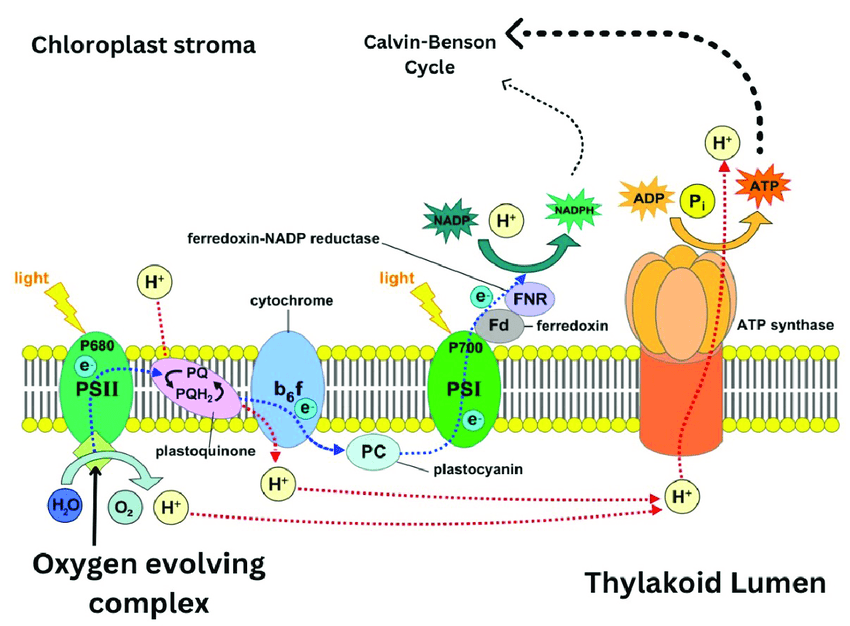
Copper is used in the photosynthetic process through its role in a protein called plastocyanin. This protein transfers electrons between photosystem II and photosystem I, a crucial step that keeps photosynthesis running smoothly. When copper levels are low, this process slows down, reducing carbohydrate production and overall plant energy. Studies show that copper-sufficient plants can produce up to twice as many soluble carbohydrates compared to deficient ones. These extra sugars improve grain fill and increase root exudation, which feeds soil microbes and builds soil carbon.
2. Antioxidant Protection
Copper plays a key role in the plant’s antioxidant defense through the enzyme copper-zinc superoxide dismutase. This enzyme neutralises reactive oxygen species that are produced during photosynthesis. Without enough copper, these compounds build up, damaging plant cells and reducing photosynthetic efficiency. Adequate copper allows plants to maintain high photosynthetic performance even under stress from heat, drought, or intense sunlight.
3. Lignification
Copper is essential for the process of lignification, where plants build lignin to strengthen their cell walls. Lignin gives stems rigidity and helps plants stay upright while also forming a physical barrier against pests and diseases. Low copper reduces lignin synthesis, leading to weaker stems and increased lodging risk in crops like wheat and barley. Plants with poor lignification are also more vulnerable to fungal and bacterial infection because their tissues are softer and easier to penetrate.
4. Fertility
Copper is vital for reproductive success. It supports pollen formation and the development of strong pollen tubes that can rupture and disperse effectively during pollination. Without sufficient copper, pollination rates drop and fewer grains are set. Research has shown that applying copper can increase the number of grains per spike from 12 to 20, improving yield potential through better pollination efficiency.
5. Plant Defense
Copper supports plant defense mechanisms in several ways. It can directly inhibit pathogens within plant tissue, assist in producing antimicrobial enzymes and compounds, and reduce pathogen virulence so infections cause less damage. Fungal diseases are particularly sensitive to copper, and maintaining balanced levels can reduce the need for fungicide applications. In regenerative systems, this contributes to a more resilient plant immune response and less reliance on external chemical inputs.
6. Livestock Health
Copper also links plant nutrition to animal health. Pastures low in copper lead to deficiencies in grazing livestock, which show symptoms such as a reddish tinge on black coats, slower growth, and reduced fertility. Maintaining adequate copper in pasture plants ensures both plant productivity and animal performance, supporting the entire farm ecosystem.
Copper in the Soil
Copper behaves differently in the soil compared to other trace minerals. Understanding where copper is stored, how it becomes available to plants, and what factors influence its mobility is essential for managing it regeneratively.
1. Total and Available Copper
Copper in the soil exists in two main forms: total copper and available copper.
Total copper represents the full amount of copper stored in the soil, including both available and locked-up forms. This includes copper contained in mineral particles, organic matter, and parent material.
Available copper is the fraction that can actually be absorbed by plants. It exists mainly as Cu²⁺ or Cu⁺ ions in the soil solution and is influenced by soil biology and chemistry.
A healthy soil should contain at least 20 parts per million of total copper. Levels below this suggest the parent material itself is copper-deficient and may benefit from a copper application. For available copper, ideal levels range from about 1.2 parts per million in sandy soils to around 2.4 parts per million in heavy clay soils.
2. Copper Availability and Soil Biology
Copper availability depends heavily on soil microbial activity. Microbes help release copper from mineral and organic complexes into plant-available forms. When total copper is sufficient but available copper is low, it usually indicates that soil biology is not active enough to unlock it. Building a strong microbial population through organic matter additions, cover cropping, and reducing chemical stress helps improve copper cycling and plant uptake.
Copper is one of the trace elements that interacts strongly with mycorrhizal fungi. These fungi extend fine hyphae into the soil, increasing the plant’s ability to access immobile nutrients like copper. However, excessive copper can harm mycorrhizal fungi and suppress biological activity. Maintaining moderate levels is essential to avoid toxicity while supporting microbial health.
3. Soil Texture and pH Effects
Soil texture influences how copper behaves. In sandy soils, copper is more mobile and can be lost more easily, which is why lower target levels are recommended. In clay-rich or organic soils, copper tends to bind tightly to negatively charged particles and organic matter, making it less available. Soil pH also affects copper solubility. As pH rises, copper becomes less soluble and harder for plants to absorb. Slightly acidic soils generally make copper more available.
4. Copper Interactions with Other Nutrients
Copper interacts with several other minerals that can either support or inhibit its uptake.
High molybdenum levels can strongly antagonise copper uptake, especially in grazing systems where molybdenum is applied through fertiliser.
Excess nitrogen can create a dilution effect, where rapid plant growth spreads existing copper over more tissue, lowering its concentration.
Copper itself can antagonise the uptake of other trace metals such as iron, manganese, and zinc when overapplied.
Balancing these nutrients through soil and sap testing ensures copper stays within a healthy range for both plants and soil life.
5. Copper Toxicity
While deficiencies are more common, copper toxicity can occur, especially in soils with a long history of copper-based fungicides. This is often seen in orchards and vineyards. High copper levels can damage microbial communities, particularly mycorrhizal fungi, and limit biological nutrient cycling. In these situations, regenerating soil biology becomes the priority. Planting cover crops, adding compost, and reintroducing mycorrhizal inoculants can help draw down excess copper and restore balance.
Testing for Copper
Testing is the foundation of regenerative copper management. Understanding where copper is within the soil-plant system allows farmers to identify whether problems are caused by low total levels, poor biological availability, or limited uptake in the plant. Accurate testing ensures decisions are based on data rather than assumptions, helping to maintain both productivity and soil health.
1. Soil Testing
Soil tests provide the first indication of how much copper is present in the system. There are two key measurements to look at:
Total copper represents the overall stock of copper in the soil, including both the available and unavailable portions. This shows whether the soil’s parent material naturally contains enough copper to support long-term fertility.
Available copper measures the fraction plants can access at any given time. This is influenced by soil pH, texture, and microbial activity.
For regenerative systems, both values are important. A total copper level above 20 parts per million suggests the soil has adequate reserves. If available copper is below 1.2 parts per million in sandy soils or below 2.4 in heavy clay soils, it points to a biological limitation rather than a mineral shortage. In that case, improving soil biology will often unlock the existing copper rather than requiring heavy fertiliser inputs.
2. Interpreting Low Copper in Soil Tests
When soil copper levels are low, it is important to determine the cause. If both total and available copper are low, the parent material likely lacks copper, and a soil application may be justified. If total copper is high but available copper is low, the issue lies in the biological or chemical environment, usually poor microbial activity or excessive binding to organic matter or clay. Addressing this involves improving soil structure, organic matter content, and microbial balance rather than simply adding more copper.
3. Differential Sap Testing
Differential sap testing compares nutrient levels in the youngest and oldest fully developed leaves of a plant. Copper is typically taken up into older leaves first, so a deficiency will show as lower copper concentrations in the younger leaves.
If copper levels in the younger leaves are 10 percent or more lower than in the older leaves, it suggests an emerging deficiency.
As the gap widens, the deficiency becomes more severe.
This test provides early warning signs of nutritional issues before visible symptoms appear, allowing time to correct imbalances through foliar or soil-based approaches.
Managing Copper Regeneratively
Managing copper regeneratively means balancing mineral nutrition with biological function. The goal is to ensure copper is available for plant growth and defense without harming the microbes and fungi that drive soil health. Copper supports photosynthesis, enzyme activity, and disease resistance, but when applied incorrectly it can become toxic to soil life. Regenerative copper management focuses on efficiency, balance, and long-term biological cycling rather than heavy fertiliser use.
1. Identify the Limitation
Before applying copper, it is important to determine where the problem lies. There are three main possibilities:
Low total copper: The soil’s parent material is naturally deficient, so there is not enough copper stored for long-term supply.
Low available copper: The total reserves are adequate, but soil biology is not releasing it into plant-available forms.
Poor plant uptake: Copper is available in the soil but not being absorbed by the plant, often due to nutrient antagonism or low photosynthesis.
Testing both the soil and plant helps identify which issue is present. Addressing the root cause ensures copper inputs are effective and not wasted.
2. Improving Biological Availability
If soil tests show good total copper but low availability, the focus should shift toward biology. Active microbial communities, organic matter, and mycorrhizal fungi all help release copper from mineral and organic complexes. Practices that enhance microbial activity include:
Keeping living roots in the soil through cover crops and perennial phases.
Minimising disturbance such as tillage that disrupts fungal networks.
Reducing chemical fertilisers and pesticides that suppress microbial populations.
Using carbon-based amendments like compost, humic substances, or amino acid chelates to improve mineral exchange.
Healthy soil biology gradually improves copper availability, reducing the need for frequent applications.
3. Supporting Mycorrhizal Fungi
Mycorrhizal fungi are particularly effective at improving copper uptake. Their fine hyphal networks can access tightly bound copper that roots cannot reach. Maintaining these fungi requires avoiding excess copper inputs, since copper is naturally toxic to them at high concentrations. Encouraging diverse root systems, avoiding long fallow periods, and growing cover crops that host mycorrhizal species all strengthen the biological bridge between copper reserves and plant uptake.
4. Choosing the Right Form of Copper
When copper needs to be applied, the form and method are important. The most common options include:
Copper sulfate: A standard form that is effective but highly corrosive and can damage equipment. It should be handled carefully and is best applied with buffering agents.
Chelated or amino acid-bound copper: These forms are less harsh and more plant-available. They are often used for foliar applications where immediate uptake is needed.
Micronised copper products: Finely ground particles that can be used for soil application with better dispersion and reduced corrosion.
Adding fulvic acid or amino acids can improve copper solubility and reduce the harshness of the solution, helping protect soil life and equipment.
5. Foliar and Soil Application Strategies
There are two main approaches to applying copper:
Soil application: Useful when total copper levels are low. It helps replenish the reserve and supports long-term availability, though only a small fraction becomes immediately available to plants. Applying before rainfall or incorporating with high-water volumes improves penetration.
Foliar application: Effective for correcting in-season deficiencies detected through sap testing. It bypasses the soil and delivers copper directly into the plant, giving a faster response and avoiding interactions that can lock copper up.
A regenerative approach often combines both — maintaining adequate soil reserves while using small, well-timed foliar applications to correct short-term imbalances.
6. Avoiding Overapplication
Copper is a double-edged sword. While essential, it can become toxic at high levels. Overapplication can damage soil microbes, reduce mycorrhizal populations, and antagonise other trace minerals such as iron, manganese, and zinc. In older orchards and vineyards where copper fungicides were used for decades, copper toxicity is common. The focus in these cases should be on:
Building organic matter to bind and buffer excess copper.
Using cover crops and fungal inoculants to rehabilitate microbial activity.
Avoiding further copper applications until tests confirm safe levels.
7. Linking Copper to Broader Regenerative Goals
Copper management does not exist in isolation. It ties into the broader regenerative principles of improving soil function, reducing inputs, and supporting plant resilience. Balanced copper nutrition helps plants photosynthesise efficiently, build structural strength, and defend against disease, all while reducing dependency on synthetic fungicides or high-nitrogen fertilisers.