In the world of regenerative agriculture, humic substances form a cornerstone of our recommenations to improve soil and plant health. But with so many products on the market and aggressive sales pitches promising miracles, it’s easy to get lost.
As consultants, we don’t sell products; we provide advice based on science. This guide breaks down what humic substances actually are, how they work, and the most cost-effective ways to use them to boost your farm’s productivity and bottom line
What Are Humic Substances?
Humic substances are a heterogeneous mixture—meaning they aren’t uniform—formed from the final stages of decomposing plant and microbial matter. Think of them as the “end of the road” for organic matter decomposition; they are incredibly stable and resistant to further breakdown.
How They Form
There are two main theories on how these substances form:
Chemical Synthesis: Microbes break down complex compounds (like lignin and cellulose) into simple ones (like phenols and sugars), which then “glue” back together into complex humic chains.
Microbial Processing: Microbes process these simple compounds to create entirely new, stable molecules.
Regardless of the exact mechanism, the result is a complex molecule covered in active sites (carboxyl, hydroxyl, and aromatic groups) that carry electrical charges. These charges are the “magic” that allows humic substances to bond with nutrients, clay, and water.
The Three Main Groups
When we talk about humic substances, we typically divide them into three categories based on their solubility and size:
| Type | Solubility | Key Characteristics |
| Fulvic Acid | Soluble at all pH levels | Smallest molecule, highest exchange capacity, excellent for foliar sprays.
|
| Humic Acid | Soluble only at pH > 6 | Medium-sized, helps with soil structure and buffering fertilizers.
|
| Humin | Completely insoluble | High benefit but very difficult to transport or apply.
|
Benefits to Your Soil and Plants
1. Direct Soil Benefits
Because of their electrical charges, humic substances act as the “glue” for soil aggregation.
Aggregation: They bind sand and clay particles together, improving gas exchange (essential for nitrogen fixation in legumes) and water infiltration.
Fertility: They increase Cation Exchange Capacity (CEC) and Anion Exchange Capacity (AEC), allowing your soil to hold onto nutrients like calcium, iron, phosphorus, and nitrates instead of letting them leach away.
Microbial Life: They stimulate microbial activity and diversity, especially beneficial fungal populations.
2. Direct Plant Benefits
Humic substances act as a biostimulant, impacting the plant’s internal hormones:
Hormone Balance: They upregulate auxins (for vegetative growth/cell elongation) and cytokinins (for root development and reproduction), leading to a more balanced plant.
Stress Tolerance: By stimulating larger root systems, humic substances help plants access more water and tolerate heat, cold, or saline conditions.
Photosynthesis: Foliar applications have been shown to increase chlorophyll levels significantly—by up to 45% in some studies.
How to Use Them Cost-Effectively
Buying concentrated humic substances can be expensive—sometimes upwards of $3,000 per ton. To get the best ROI, we recommend these strategies:
The Best Way: Root Exudates (Free!)
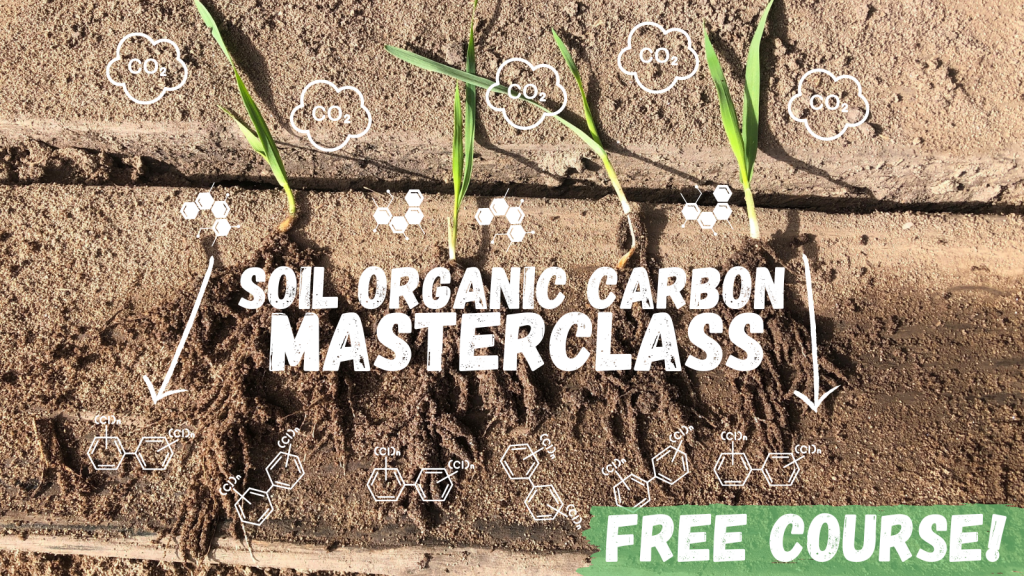
The most cost-effective way to build humic substances in your soil is to have your plants do it for you. Plants release roughly 25% of their carbohydrates as root exudates. These exudates are the raw materials that microbes turn into humic substances.
Strategy: Increase your plant’s photosynthetic ability (using cover crops or biostimulants) to pump more carbon into the soil.
Fertiliser Coating
Adding humic acid to synthetic fertilizers (like Urea, MAP, or DAP) is a game-changer:
Reduce Loss: It can reduce nitrogen volatilization and leaching by 15-50%.
Prevent Lock-up: It prevents phosphorus from binding with iron or aluminium, keeping it available to the plant for longer.
Application: Use roughly 5 liters of humic acid per ton of fertilizer to coat the granules.
Seed Coating
Coating your seeds with a fulvic acid solution (roughly 2-3 liters per ton of seed) can jumpstart root development and microbial colonization right at the “birth” of the plant.
Foliar Applications
Conclusion
Humic substances are a powerful tool, but they aren’t a “silver bullet” you should just buy in bulk and spread. The real value lies in using them as synergists to improve the efficiency of your current inputs and leveraging your plants’ natural ability to build soil health.