We often focus on what we can see above the surface, leaf color, biomass, and yield. However, the true engine of farm productivity is hidden underground in the complex relationship between a plant and its soil. At Agresol, one of our primary goals when working with new farmers is to quadruple the amount of root exudates their crops produce.
But what exactly is a root exudate, and why should you care about maximizing them?
First, watch the video below from our Youtube channel Agresol (and make sure to subscribe!)
What are Root Exudates?
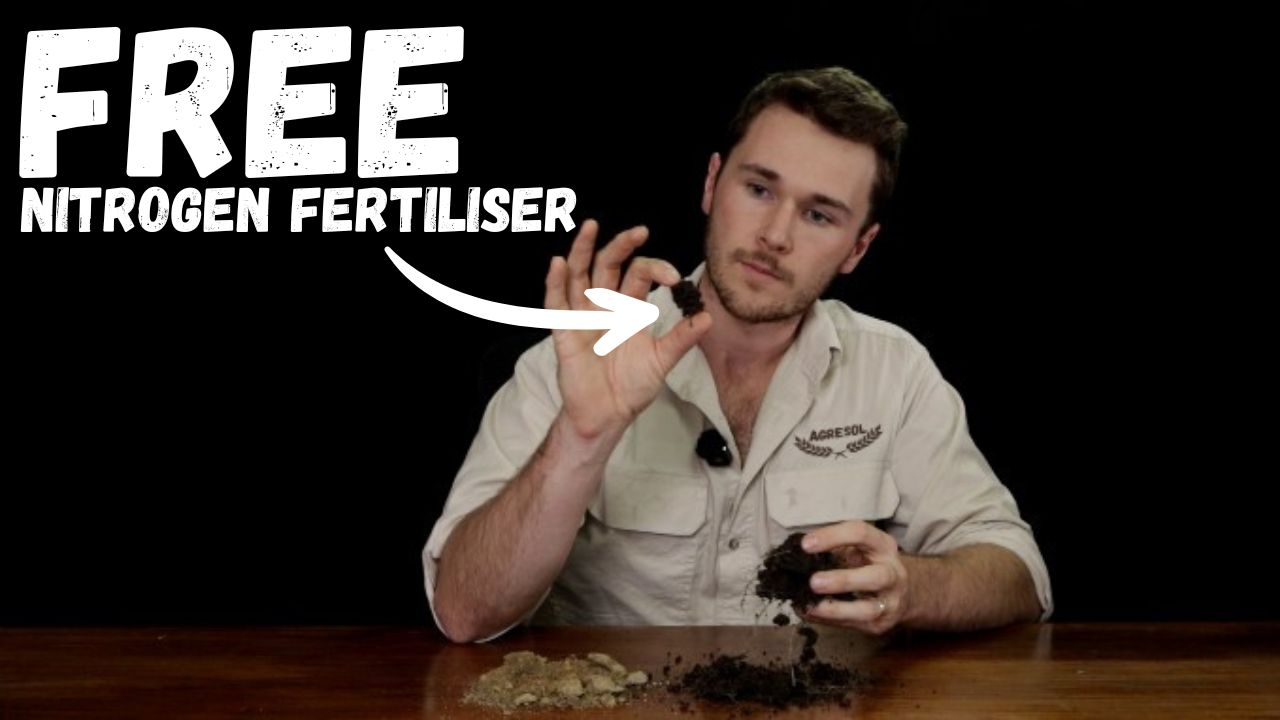
Root exudates are substances produced by a plant and released through its roots into the surrounding soil zone, known as the rhizosphere. Think of them as a biological “offering” to the soil. These exudates are a rich cocktail of:
Carbohydrates (sugars)
Proteins and Amino Acids
Lipids
Organic Acids and other specialized compounds
Plants can release anywhere from 20% to 80% of the carbon they fix through photosynthesis back into the soil as exudates. This isn’t a waste of energy; it’s a strategic investment in the plant’s own health and future.
7 Massive Benefits of Root Exudates
When we reconnect a plant with its soil microbiome through exudates, the entire system begins to work for the farmer.
1. Powering the “Rhizophagy Cycle”
Exudates feed soil biology, which in turn feeds the plant. Through the rhizophagy cycle, plants actually consume microbes as a direct source of food. This process can support up to 30% of a crop’s nitrogen requirements.
2. Building Stable Soil Carbon
Exudates are the most efficient way to build soil organic carbon. While only about 8% of above-ground biomass ends up as stable carbon, roughly 40% of root exudates are converted into stable soil organic carbon. This leads to:
Increased water infiltration
Better soil aggregation and structure
Higher water-holding capacity
3. Precision pH Regulation
Plants use exudates to manipulate the pH of their root zone by up to two units.
In Acidic Soils: Roots release bicarbonates to neutralize acidity, turning a pH of 4 into a more hospitable pH of 6.
In Basic Soils: Roots release organic acids to acidify the rhizosphere back toward the ideal level of 6.5.
4. Natural Disease Suppression
A robust biology around the roots acts as a biological shield. Exudates attract beneficial microbes that suppress soil-borne pathogens and can even release compounds that directly target diseases.
5. Unlocking Trace Minerals
Many trace minerals, like Iron and Manganese, can only be absorbed in a “reduced” state. Root exudates act as reducing agents and chelators, making these essential minerals more available to the plant.
6. Drought Resilience and Water Retention
Exudates create a mucus-like substance around the roots that holds moisture, increasing water efficiency. They also feed mycorrhizal fungi, which produce glomalin, another substance that significantly aids in holding onto water.
7. Detoxification of Heavy Metals
Root exudates can complex heavy metals and toxins, effectively reducing their availability and preventing the plant from absorbing harmful substances.
How to Increase Root Exudation on Your Farm
Building soil health isn’t about just applying calcium or biochar; it’s about making the plant a high-performance sugar-pumping machine.
Maximize Photosynthesis: Use foliar applications targeting the minerals required for Photosynthesis —Iron, Manganese, Magnesium, Copper, Phosphorus and Nitrogen. In one case, a small application of copper took a client’s Brix levels from 2 to 9, triggering a massive spike in exudates.
Use Efficient Nitrogen: Converting nitrates into protein is energy-intensive for a plant. By supplying Ammonium or Amino Acids instead, the plant receives a “carbon rebate” that it can redirect into root exudates.
Keep a Living Root in the Ground: Most crops only photosynthesize effectively for a few months. Use cover crops, pasture cropping, or intercropping to ensure roots are pumping carbon into the soil year-round.
Summary
Root exudates are the primary currency of soil health. By increasing the amount of photosynthates your plants produce and ensuring they have the right form of nutrition, you can build a more resilient, self-sustaining farm system.
If you want to increase your plant’s health and maximize the root exudates fuelling your soil’s biology, then sign up for a free 30-minute consultation with Agresol to discuss how we can help you build your farm’s organic carbon levels.